Illustrating Samantha's World
If you stumble across a copy of Meet Samantha at a used bookstore, you might open it up to find that Samantha and her friends look a little different than you remember.
Readers who first fell in love with Samantha in the 80s and 90s probably remember the covers of her books looking like this:
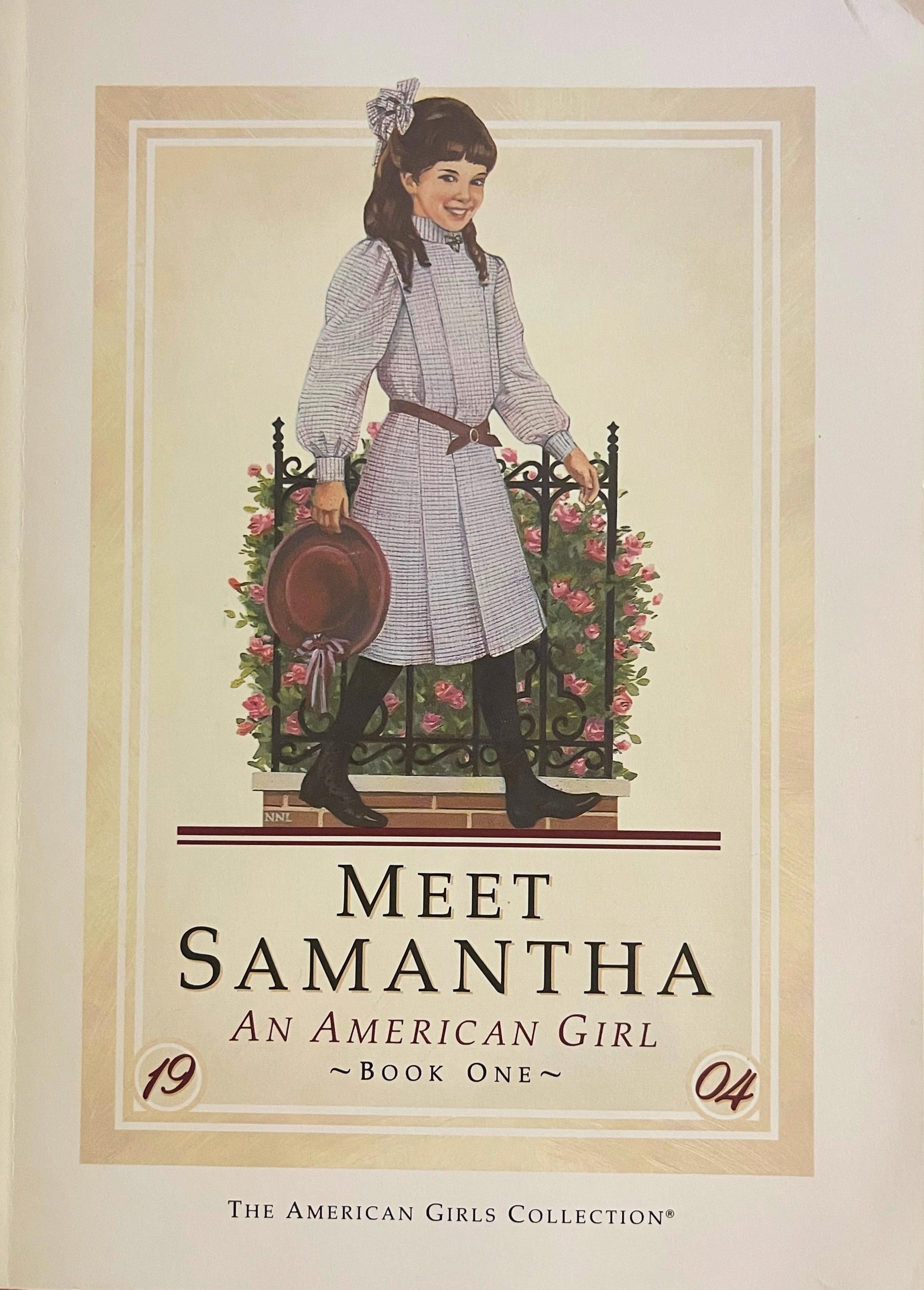 Meet Samantha (1986)
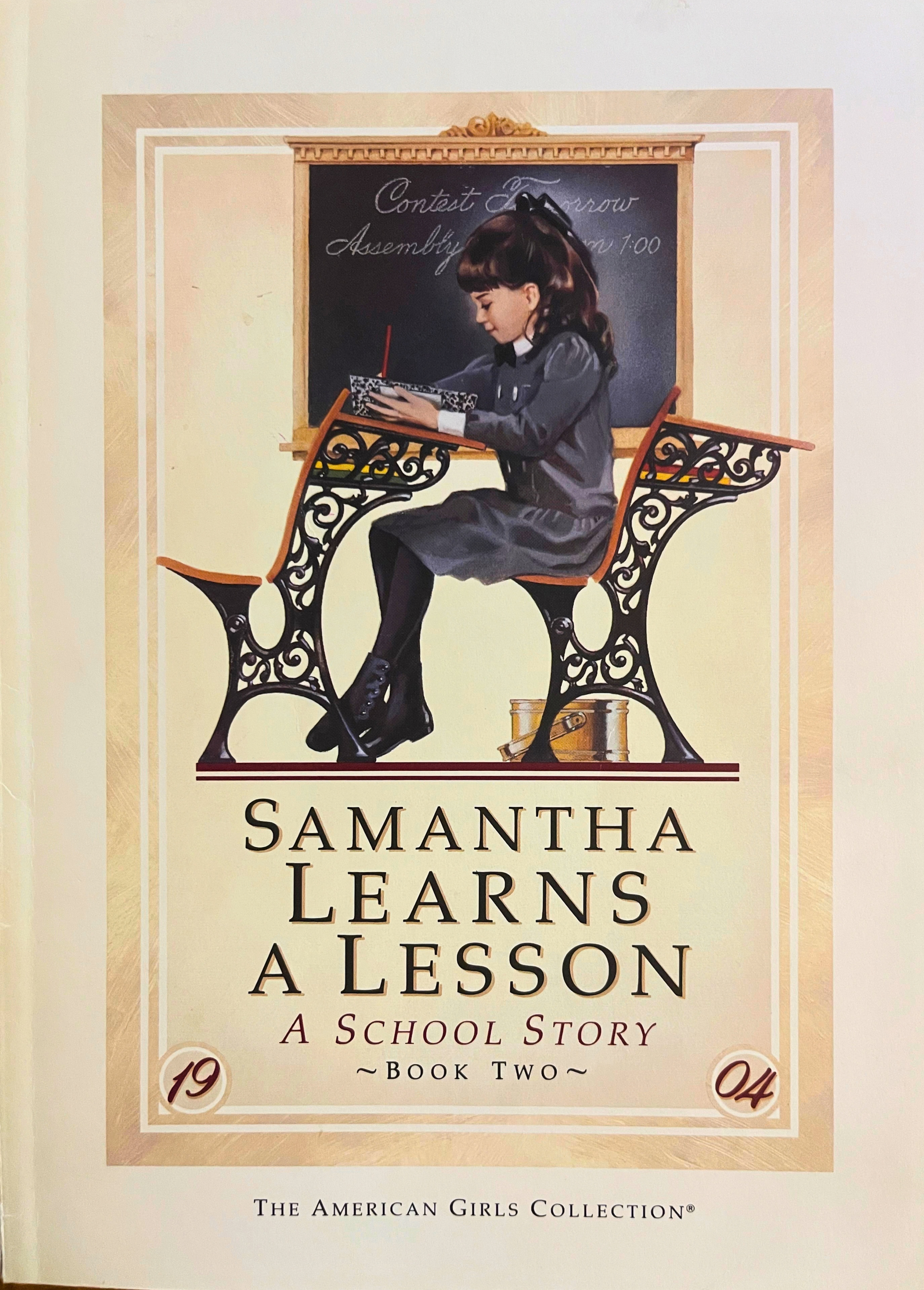 Samantha Learns a Lesson (1986)
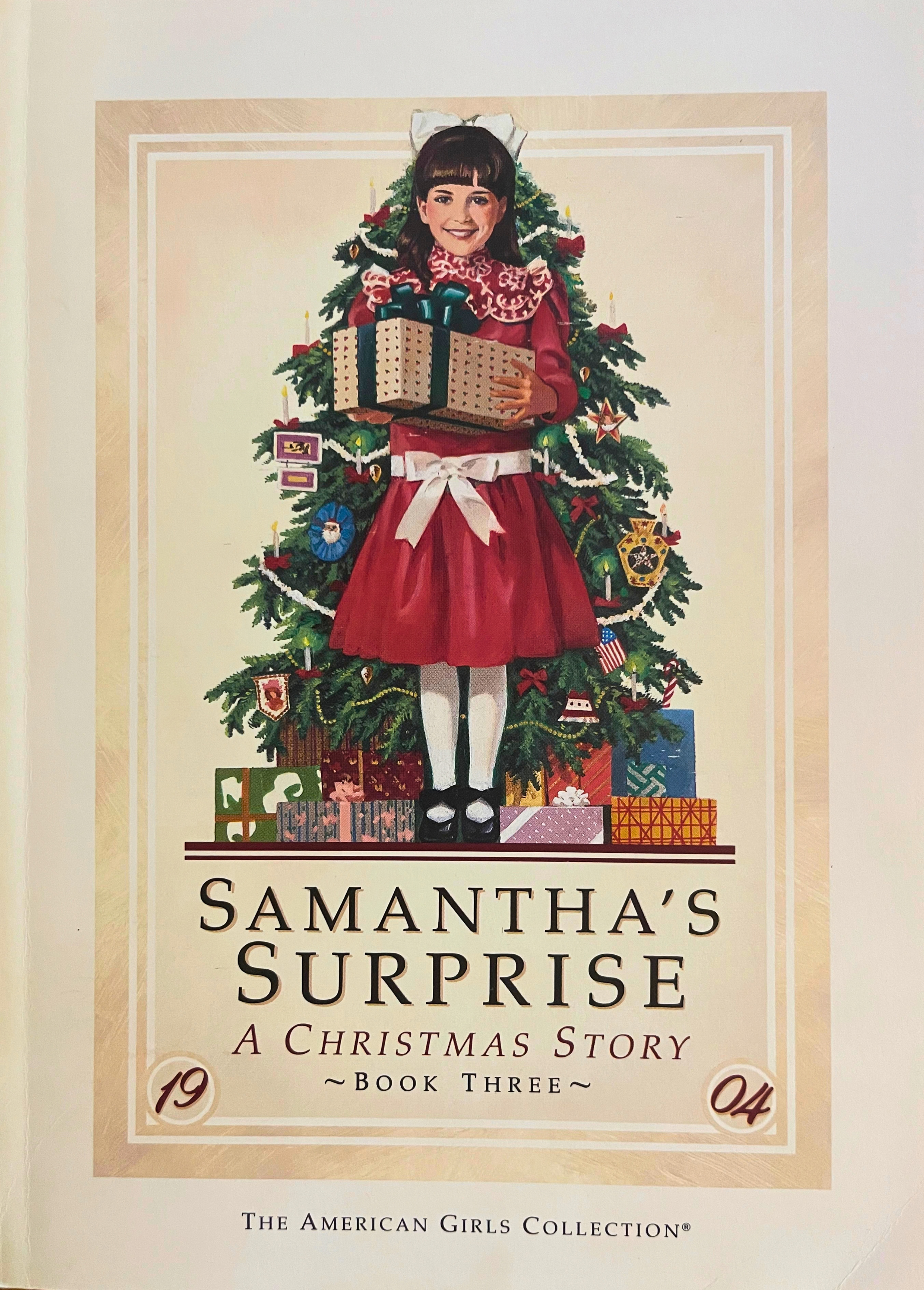 Samantha's Surprise (1986)
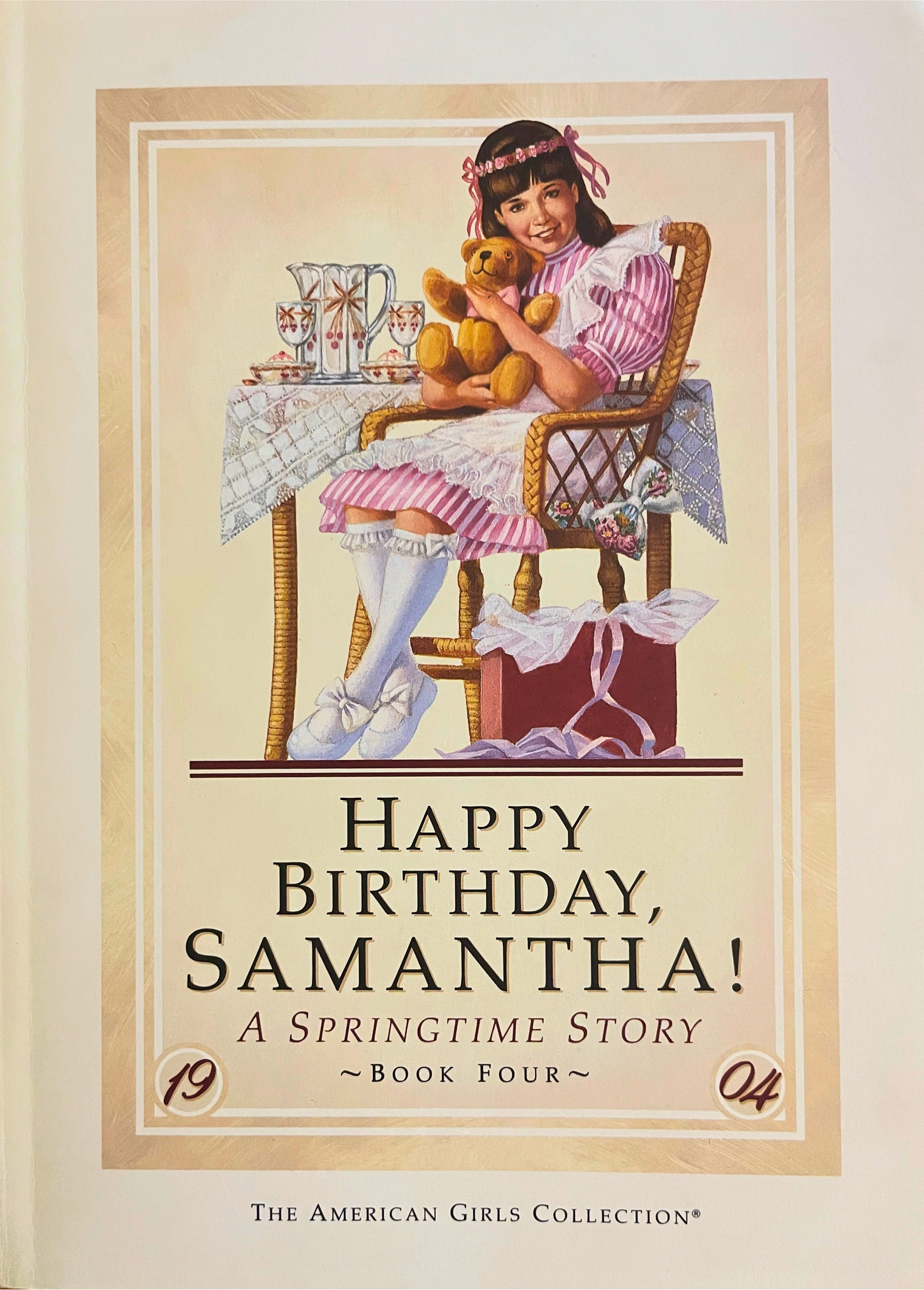 Happy Birthday, Samantha (1987)
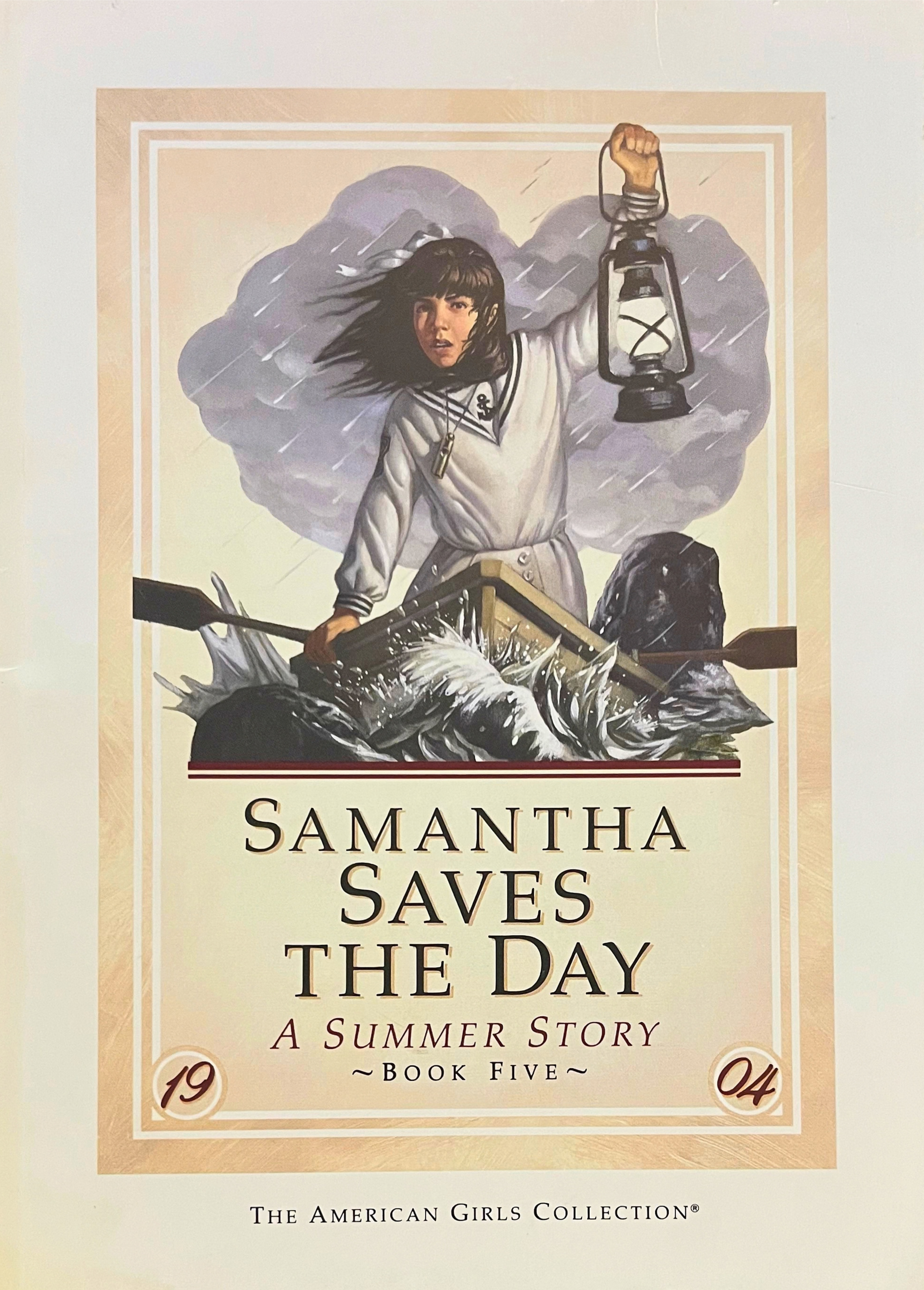 Samantha Saves the Day (1988)
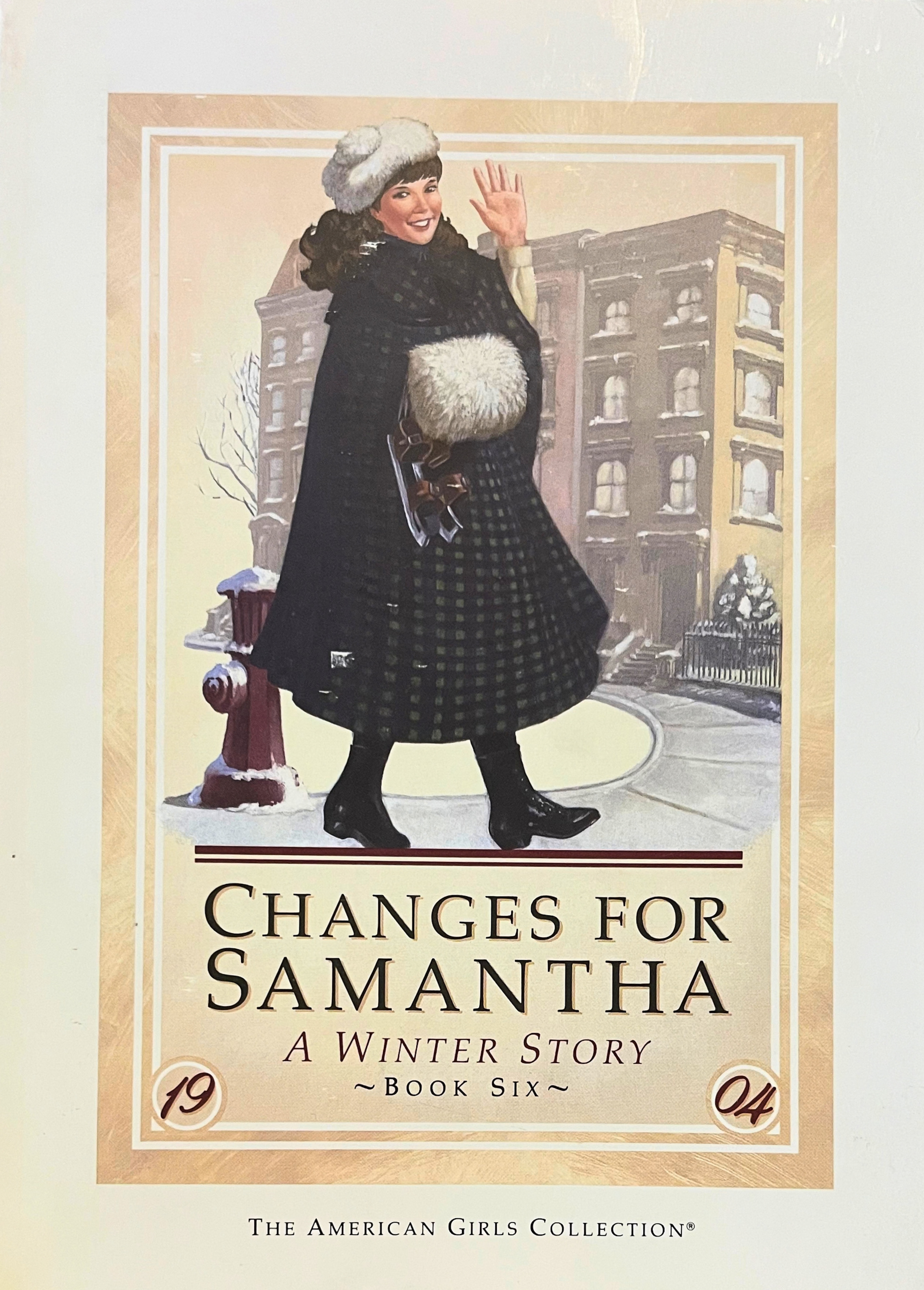 Changes for Samantha (1988)
Starting in 1998, the books were printed with new covers that looked almost identical. I’ve noticed that many people don’t realize there's a difference until they see them side-by-side.
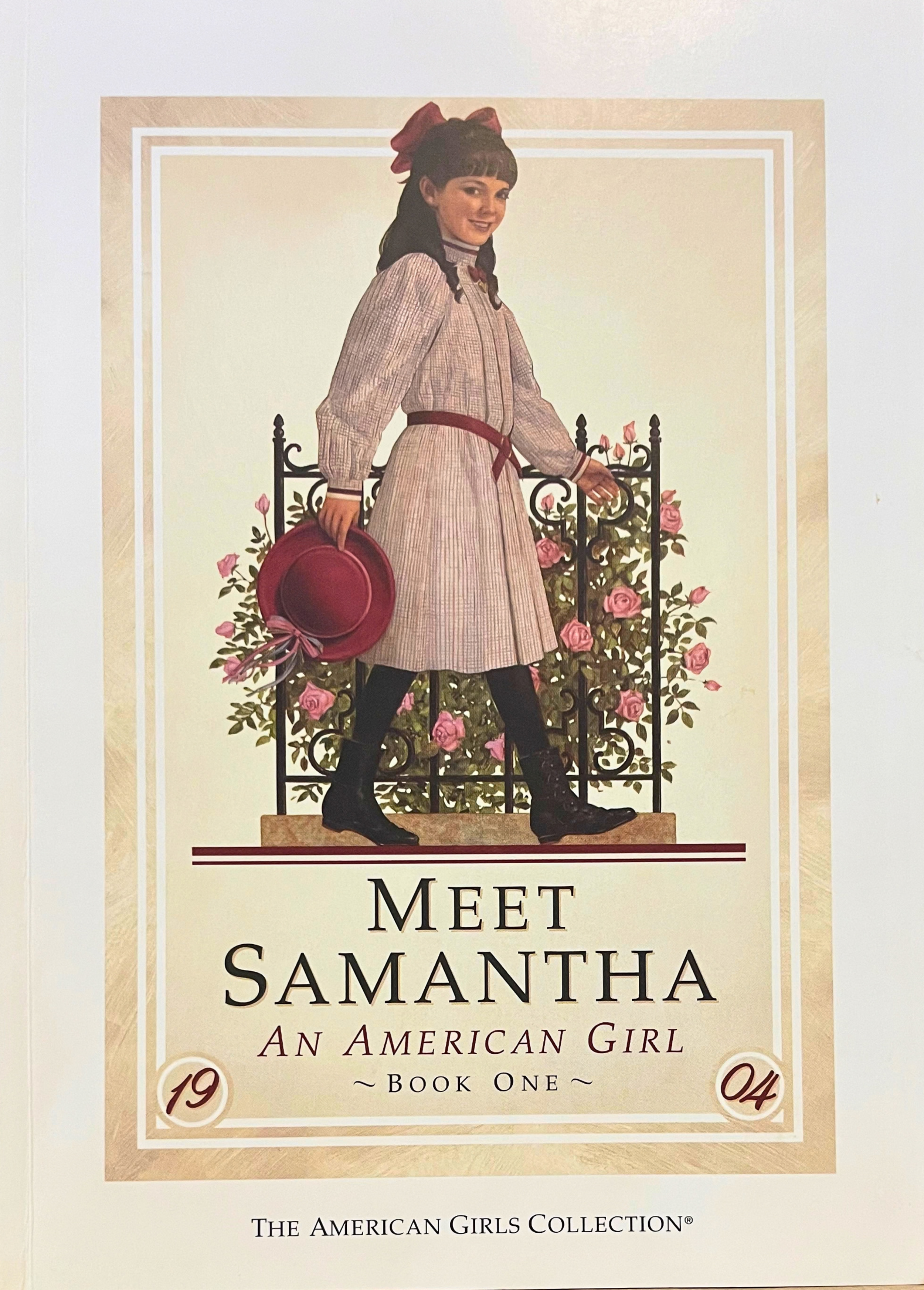 Meet Samantha (1998)
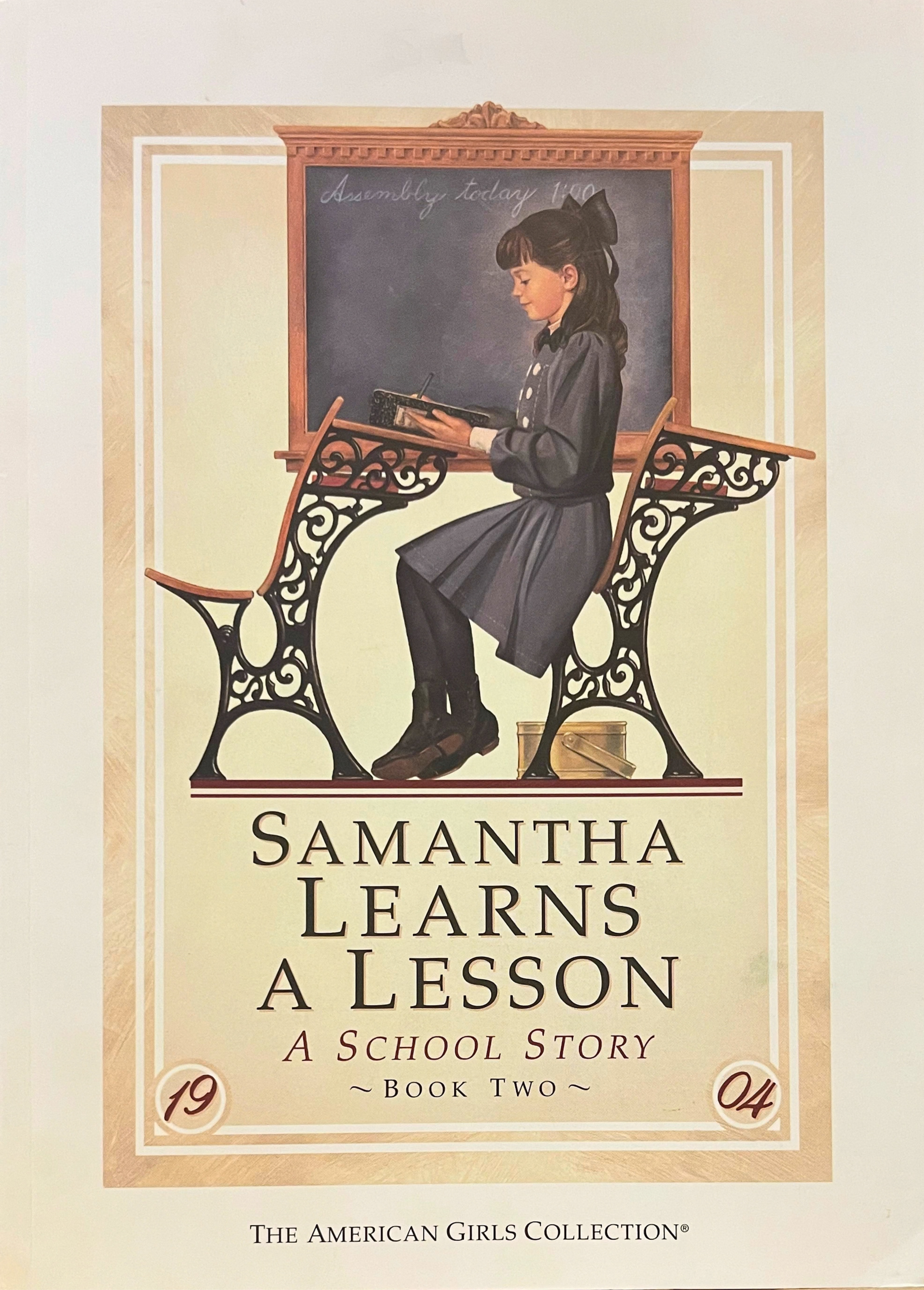 Samantha Learns a Lesson (1998)
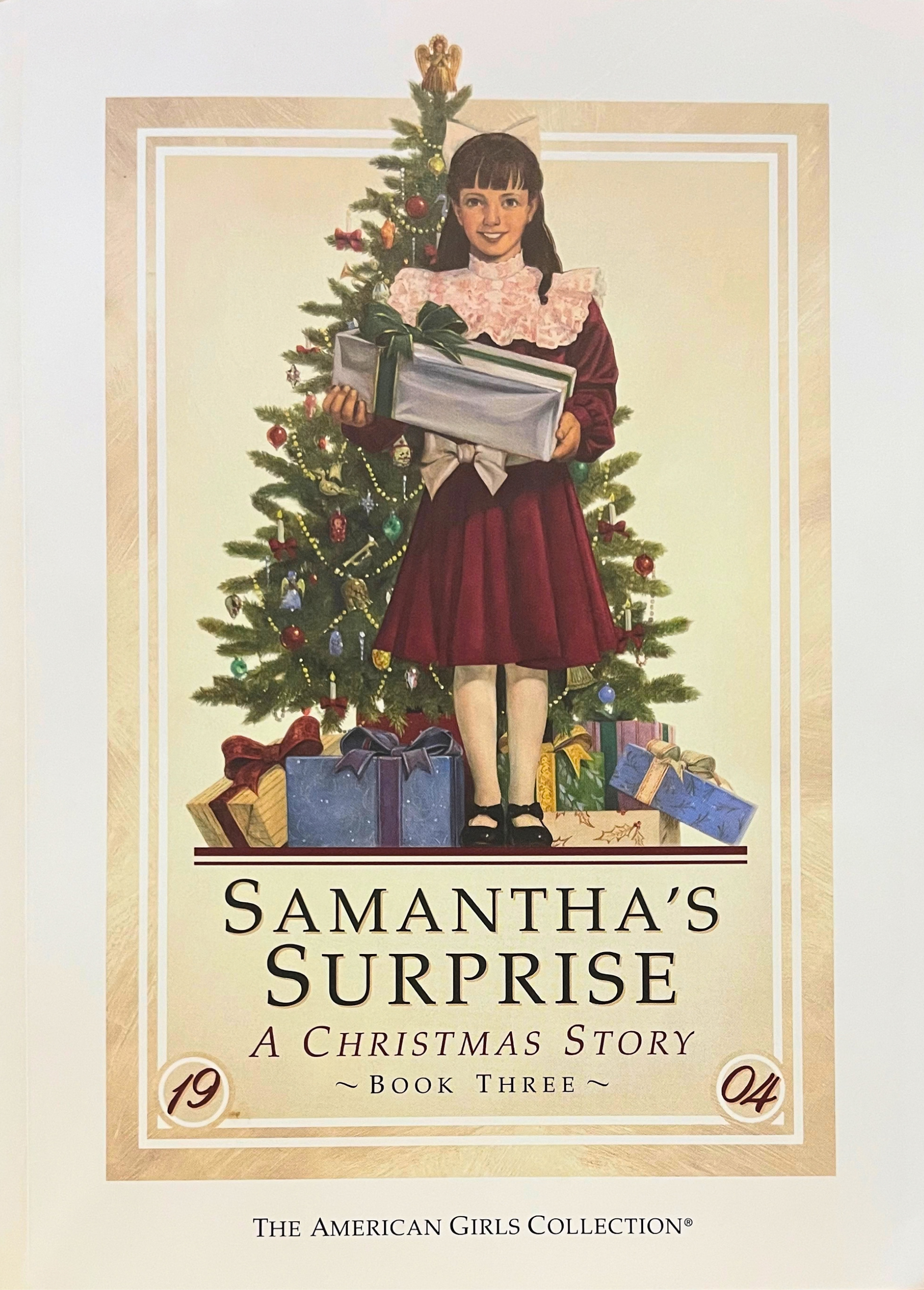 Samantha's Surprise (1998)
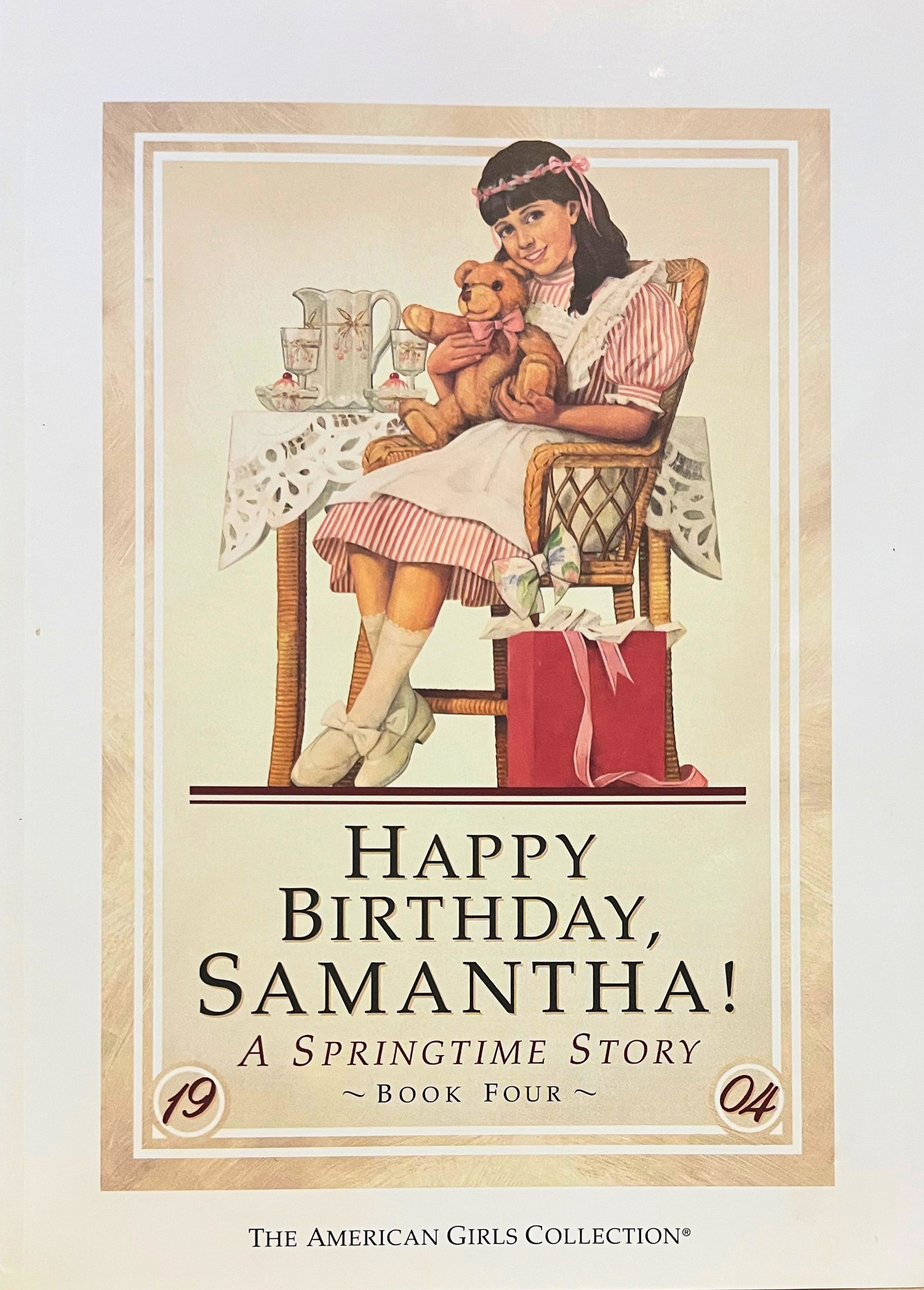 Happy Birthday, Samantha (1998)
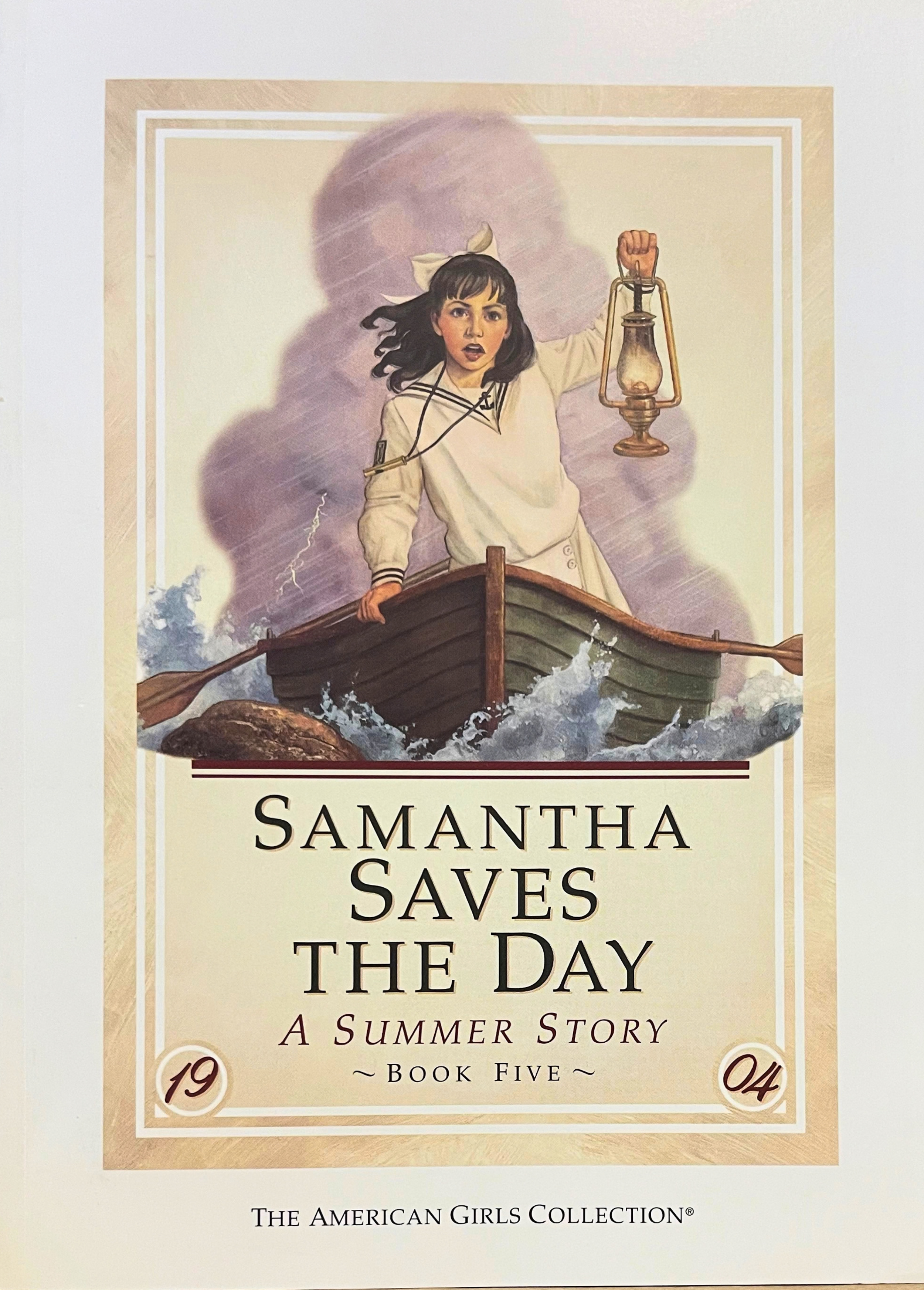 Samantha Saves the Day (1998)
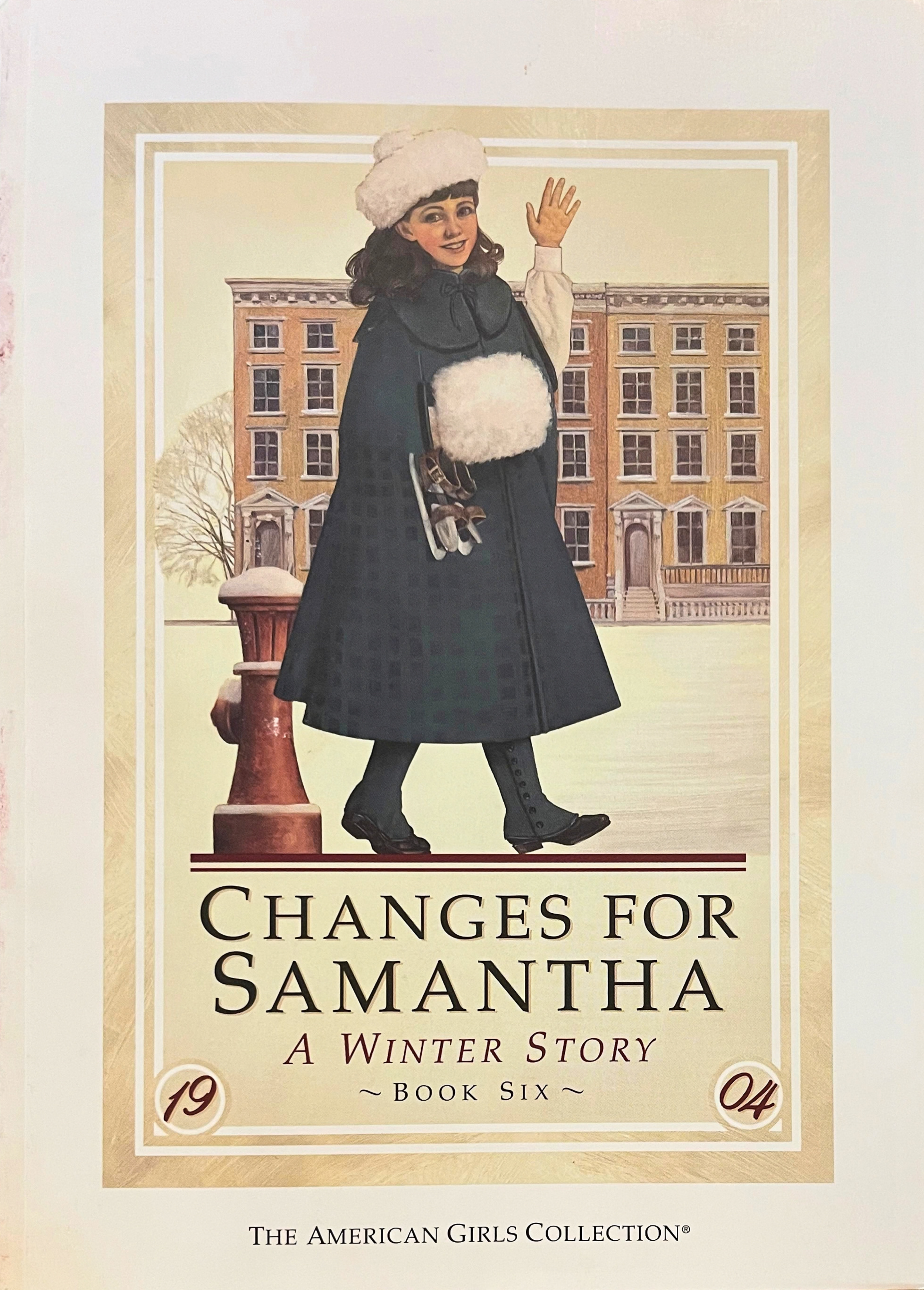 Changes for Samantha (1998)
It’s easy to confuse the two versions. This wasn’t a full re-design with brand new art. Instead, American Girl commissioned a new illustrator to re-do the existing art. This means you might see illustrations that you remember from your childhood… but something’s off.
1986: Drawing Samantha Parkington
Samantha’s core character design was developed in the earliest days of Pleasant Company. The Making of American Girl (2026) attributes lots of early concept art to Renée Graef, who also completed many of the vignette illustrations within the books. (Graef was also the primary illustrator for the Kirsten stories, released at the same time as the original Samantha collection.)
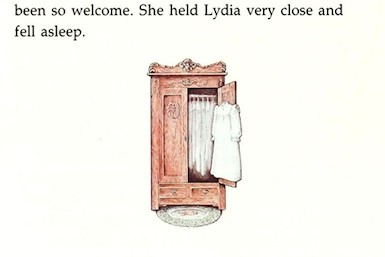 Renée Graef, Meet Samantha, 1986
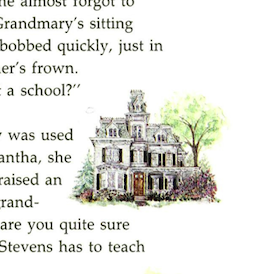 Eileen Potts Dawson, Samantha Learns a Lesson, 1986
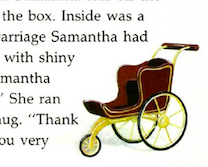 Jana Fothergill, Happy Birthday, Samantha, 1987
The iconic “Meet Samantha” portrait was created by Nancy Niles, the sole credited illustrator for the first book. Niles and Robert Grace are credited for books 2-5, while only Luann Roberts is credited for book 6.
| Book | Illustrations | Vignettes | 1998 re-illustration |
|---|---|---|---|
| Meet Samantha1986 | Nancy Niles | Renée Graef | Dan Andreasen |
| Samantha Learns a Lesson1986 | Nancy Niles & Robert Grace | Eileen Potts Dawson | Dan Andreasen |
| Samantha’s Surprise1986 | Nancy Niles & Robert Grace | Eileen Potts Dawson | Dan Andreasen |
| Happy Birthday, Samantha1987 | Robert Grace & Nancy Niles | Jana Fothergill | Dan Andreasen |
| Samantha Saves the Day1988 | Nancy Niles & Robert Grace | Luann Roberts | Dan Andreasen |
| Changes for Samantha1988 | Luann Roberts | Luann Roberts | Dan Andreasen |
As Samantha’s collection expanded, all the above illustrators contributed to odds and ends like posters, activity books, and paper dolls.
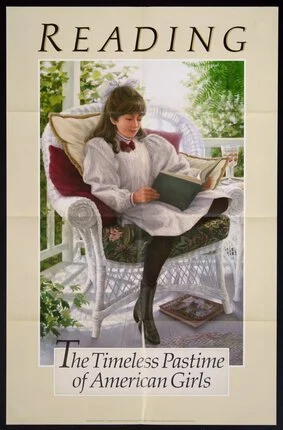
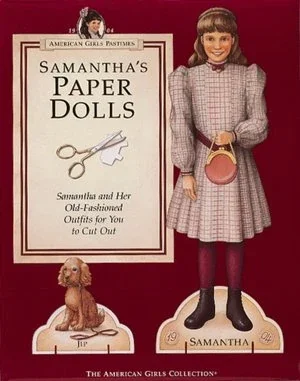 Renée Graef, Samantha’s Paper Dolls, 1992
1998: Re-Drawing Samantha Parkington
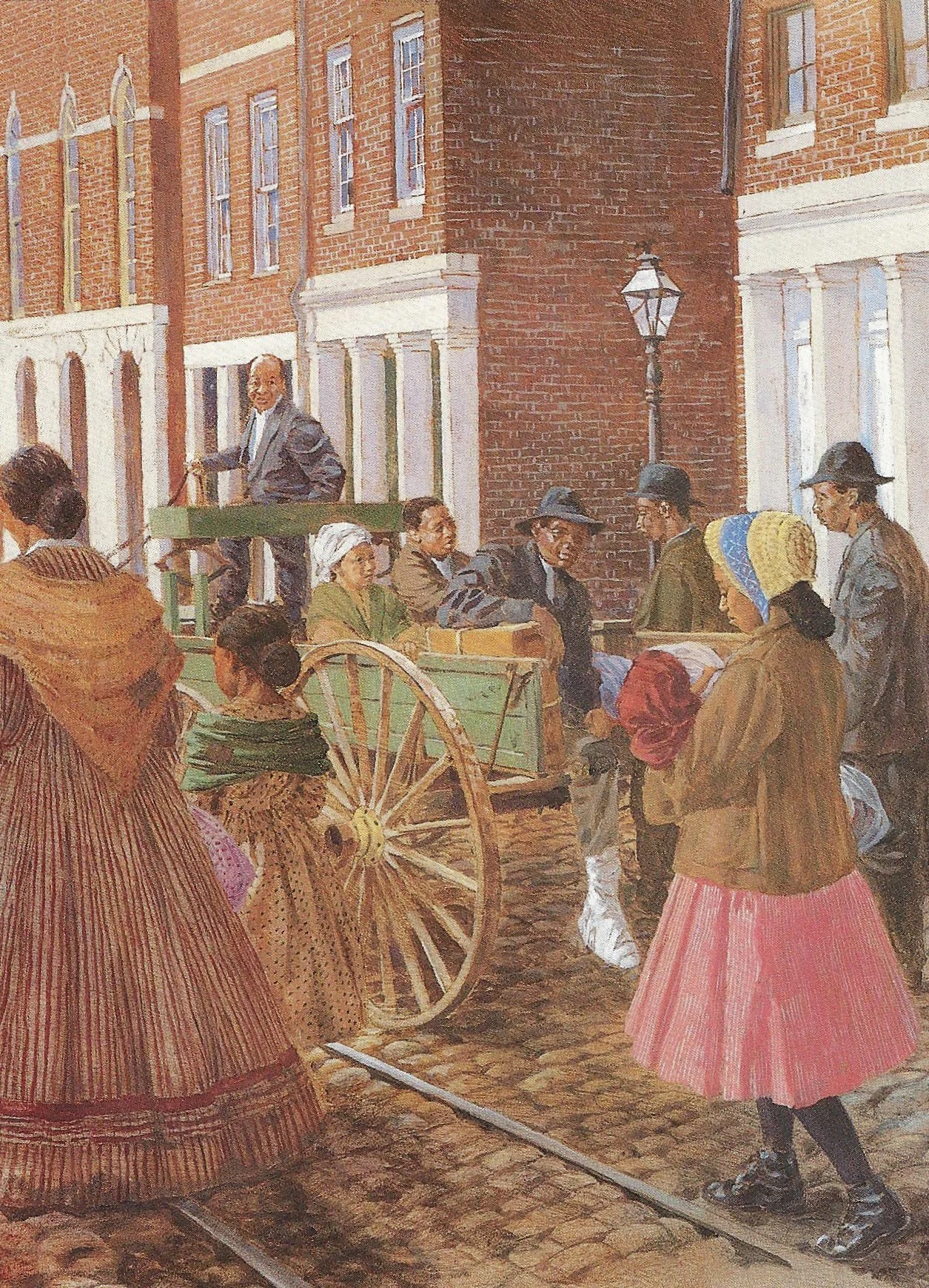
When this particular moment in Pleasant Company history comes up, it’s usually discussed in relation to Addy Walker, released in 1993. I recommend Aisha Harris's excellent oral history for Slate on Addy’s development. According to Harris’ interviews, Melodye Rosales, the original illustrator for the Addy books, parted with the company on bad terms. Pleasant Company brought in another illustrator to finish the Addy series. They then had the first three books redone to match, removing Rosales’ work entirely.
The Addy revisions are controversial among fans not only because of the behind-the-scenes disputes, but also because of artistic changes. There’s a “softening” of Addy’s world that makes her environment seem friendlier. In addition, Rosales’ original illustrations portray a range of skin tones among characters, but the revised illustrations portray nearly all characters with the same skin tone– one noticeably lighter.
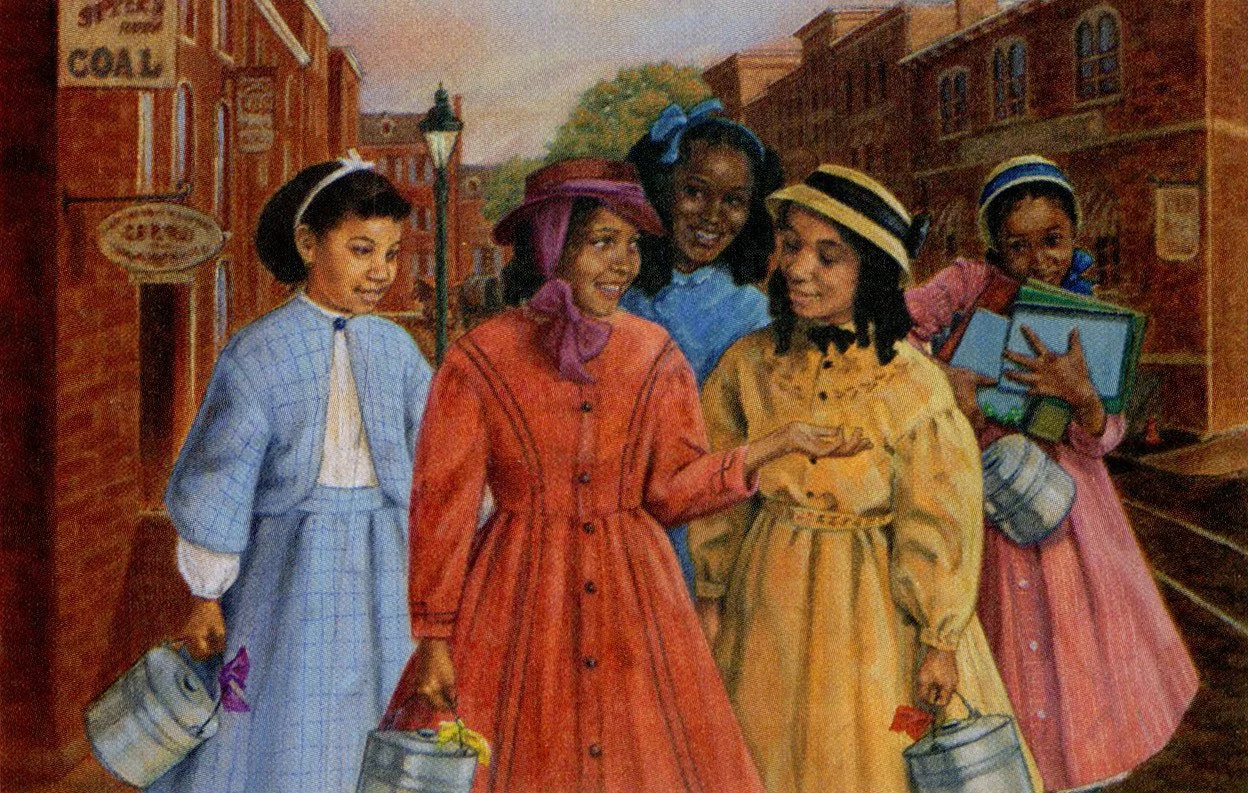 Melodye Rosales
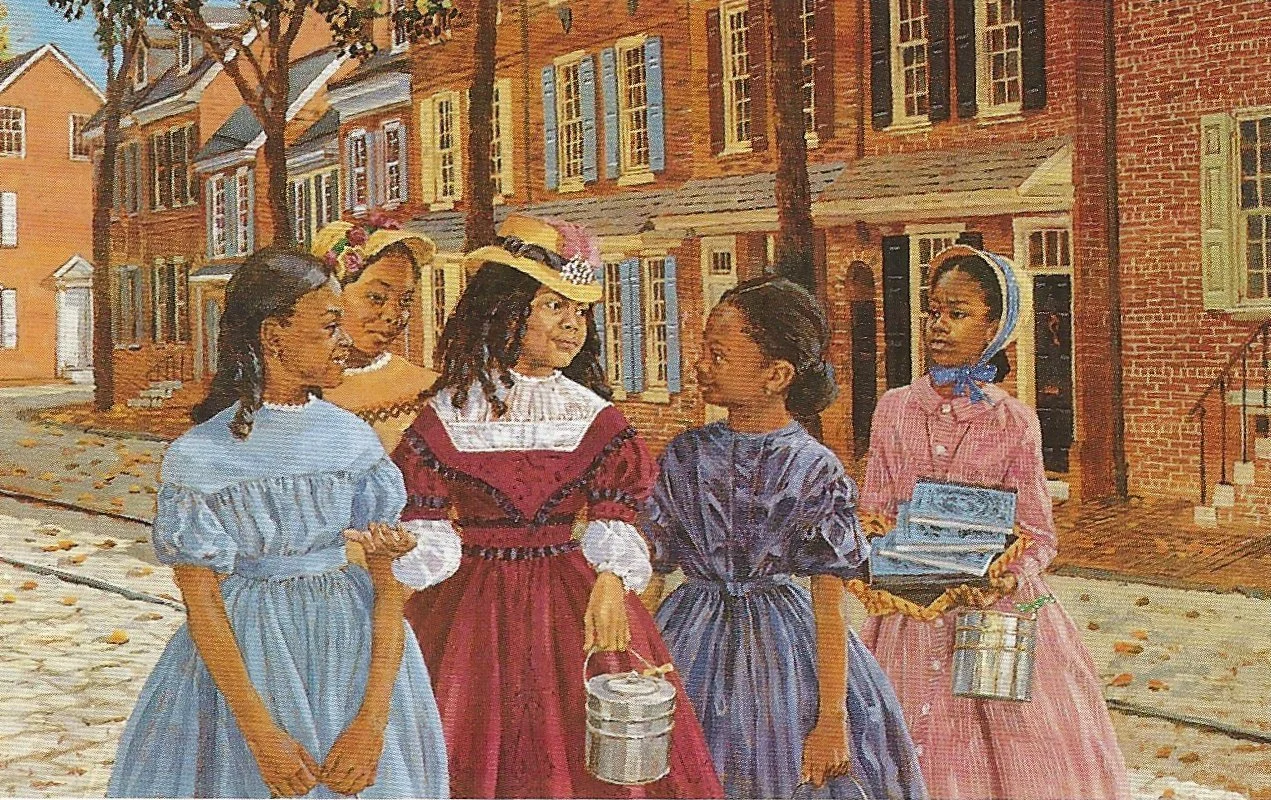 Bradford
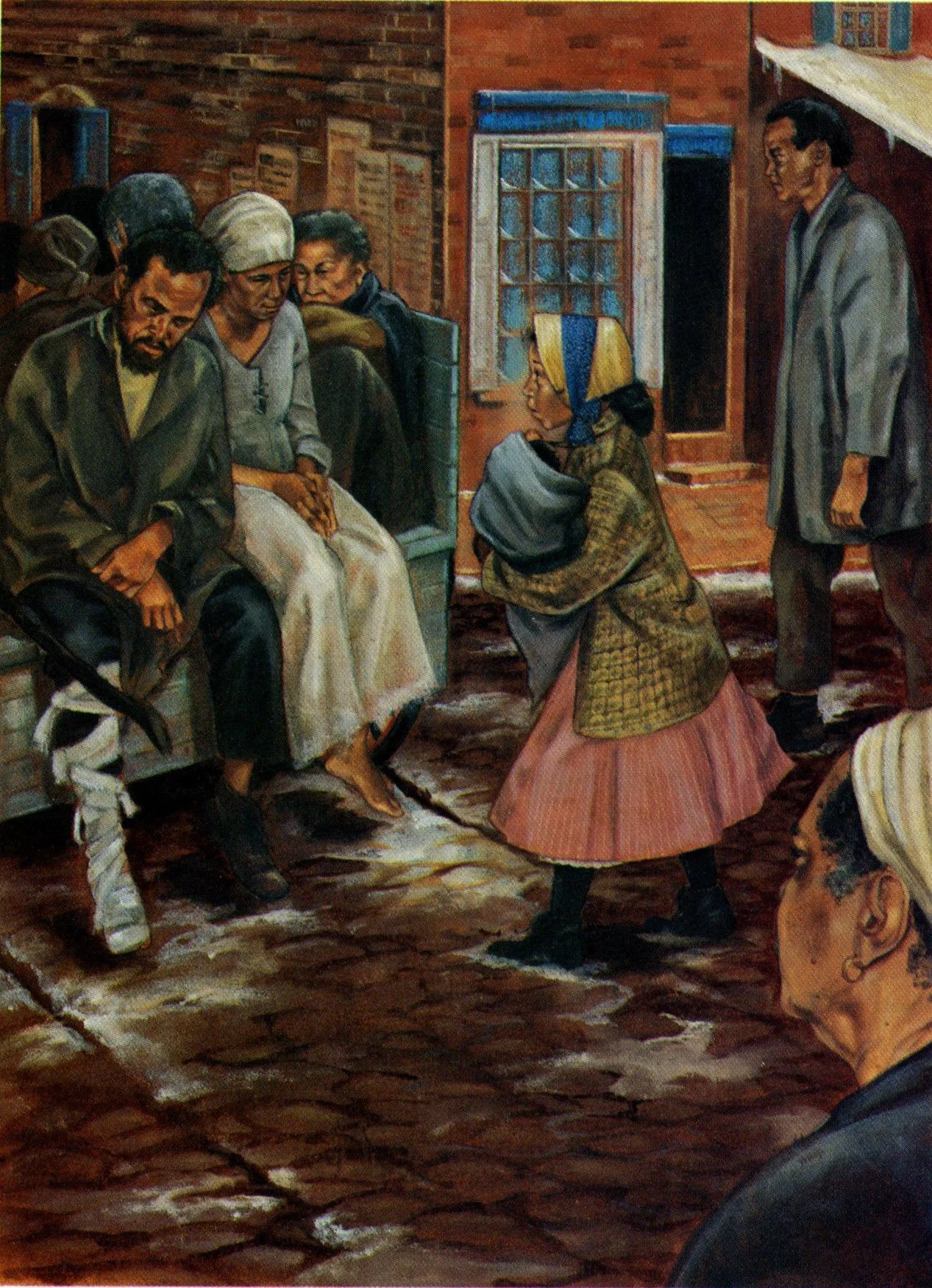 Melodye Rosales
 Bradford
(For the record, I feel very strange and slimy scrutinizing the shades of characters’ skin like this. But artistic choices like this really matter. It’s obvious that Pleasant Company made an affirmative decision to change Addy’s world to be less diverse and paler-skinned. Which, in my opinion, is alarming and gross and runs counter to their stated mission.)
There is no similar controversy about the Samantha reillustrations. I’ve personally never heard of any great conflict around the project. Many readers prefer the original Niles/Grace/Roberts illustrations, but don’t feel that the new versions betrayed anything important about Samantha’s world.
In 1998 (around the time of the sale to Mattel), the Samantha, Molly, and Addy series all had a refresh with new illustrations and revised cover art. These refreshes ensured that the girls had a consistent visual identity across all books and products. The Samantha series was handed off to Dan Andreasen, who stayed on to illustrate several future Samantha works. The vignette illustrations stayed, but all the full-page and half-page illustrations were redone.
The revised illustrations hewed very close to the originals. Most of them are one-to-one redos with the same contents, composition, colors, and expressions.
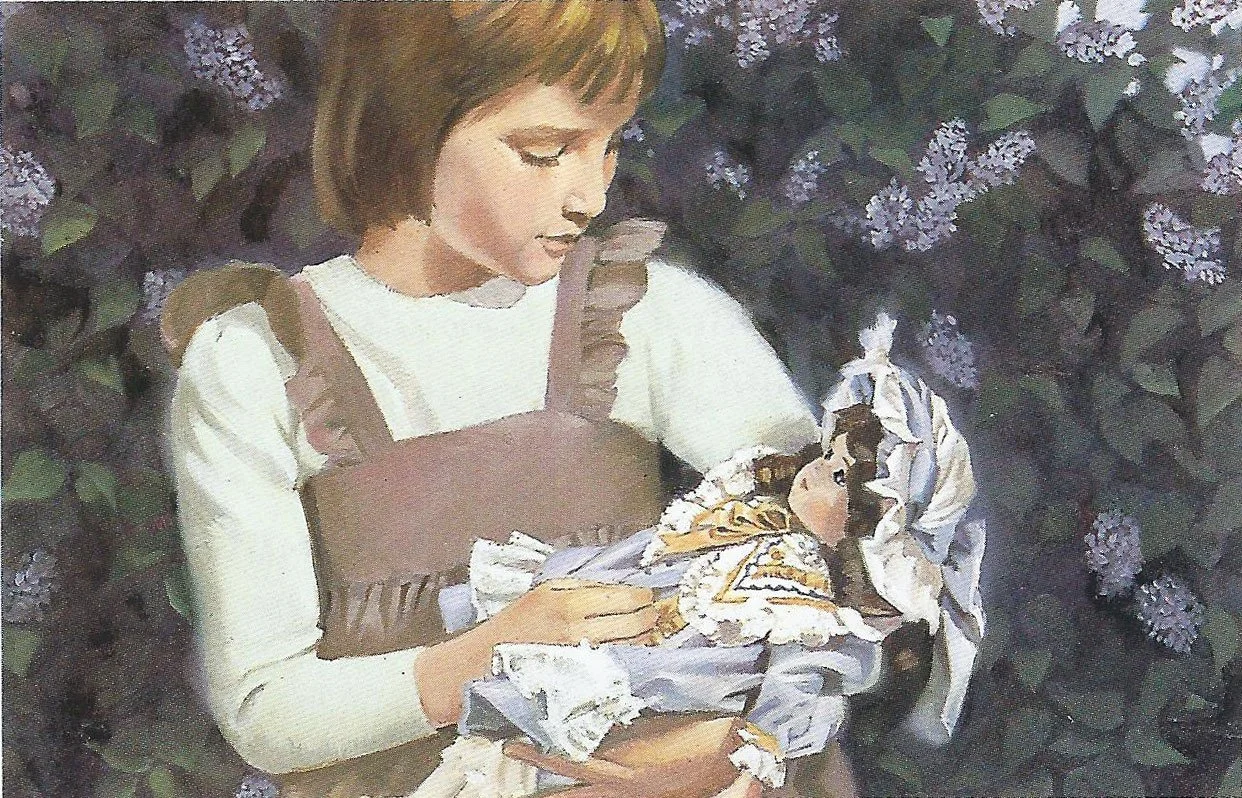 Nancy Niles, 1986
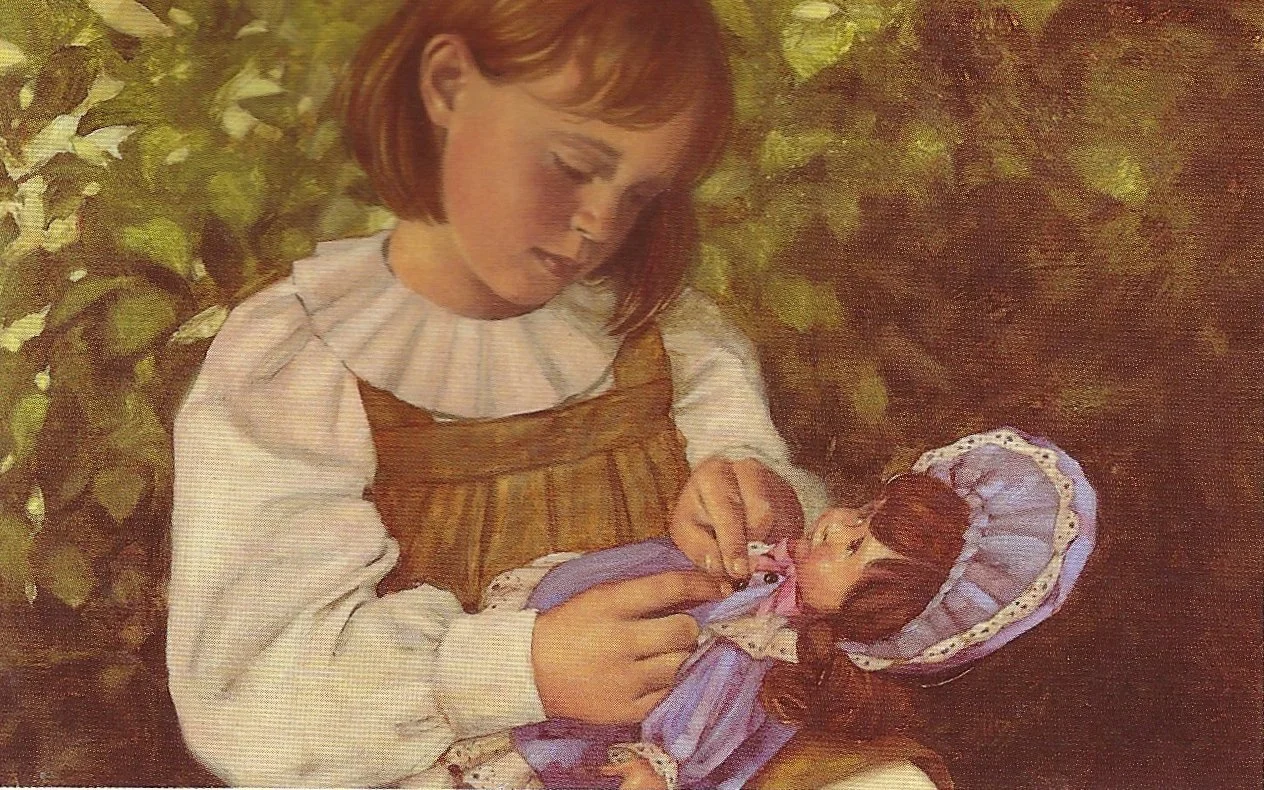 Dan Andreasen, 1998
 Nancy Niles, 1986
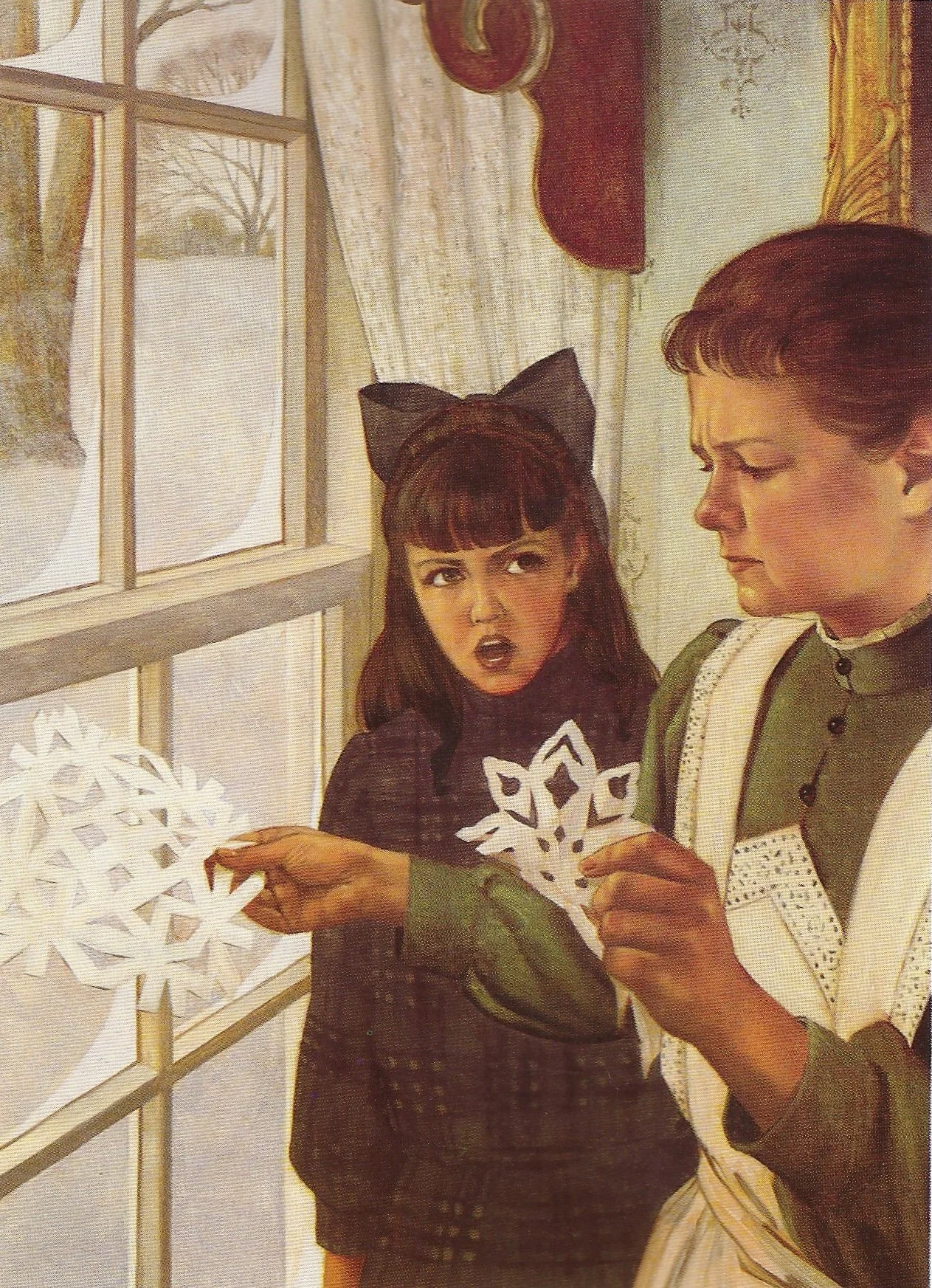 Dan Andreasen, 1998
Some illustrations were more substantially revised, changing perspective. Still, they had to occupy the same page in the book, so they always portrayed the same moment in the story.
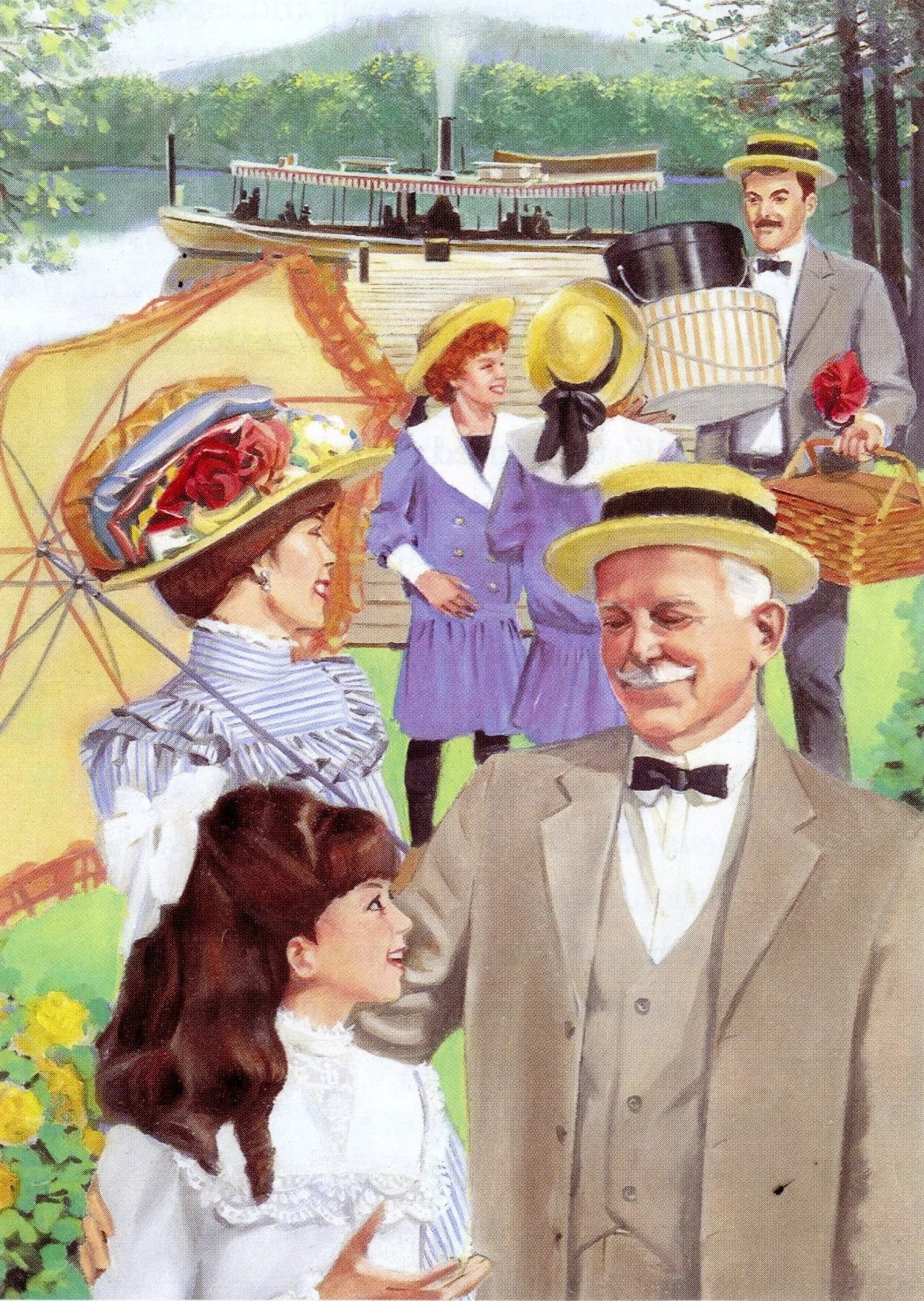 Nancy Niles, 1988
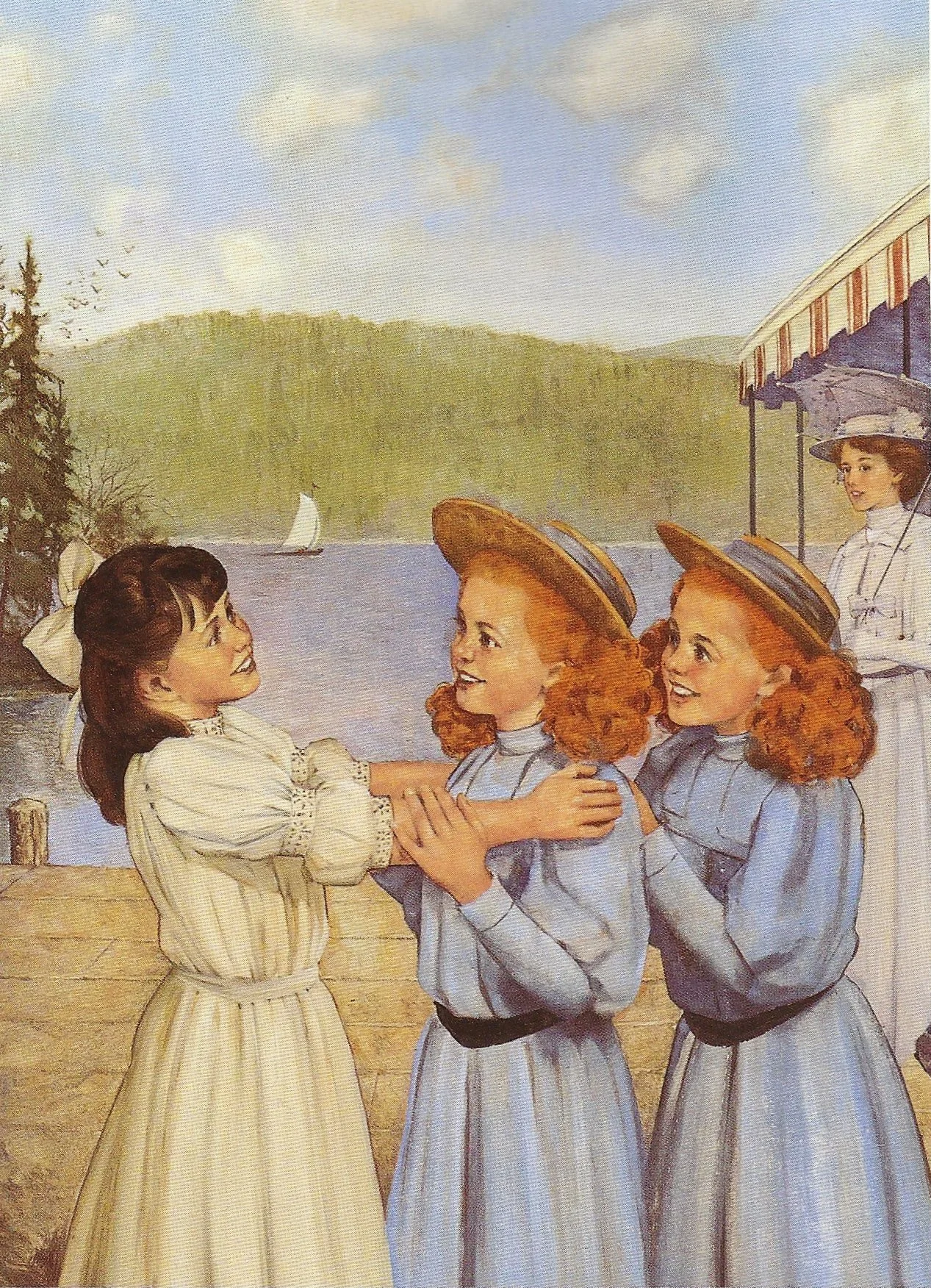 Dan Andreasen, 1998
Pleasant Company took advantage of the reillustration work to add a couple more doll tie-ins. Originally, Samantha's Meet dress (the outfit the doll comes in) barely appeared in her stories. It was only found on the cover of her first book. The re-illustrations work it into a few more scenes in the first book.
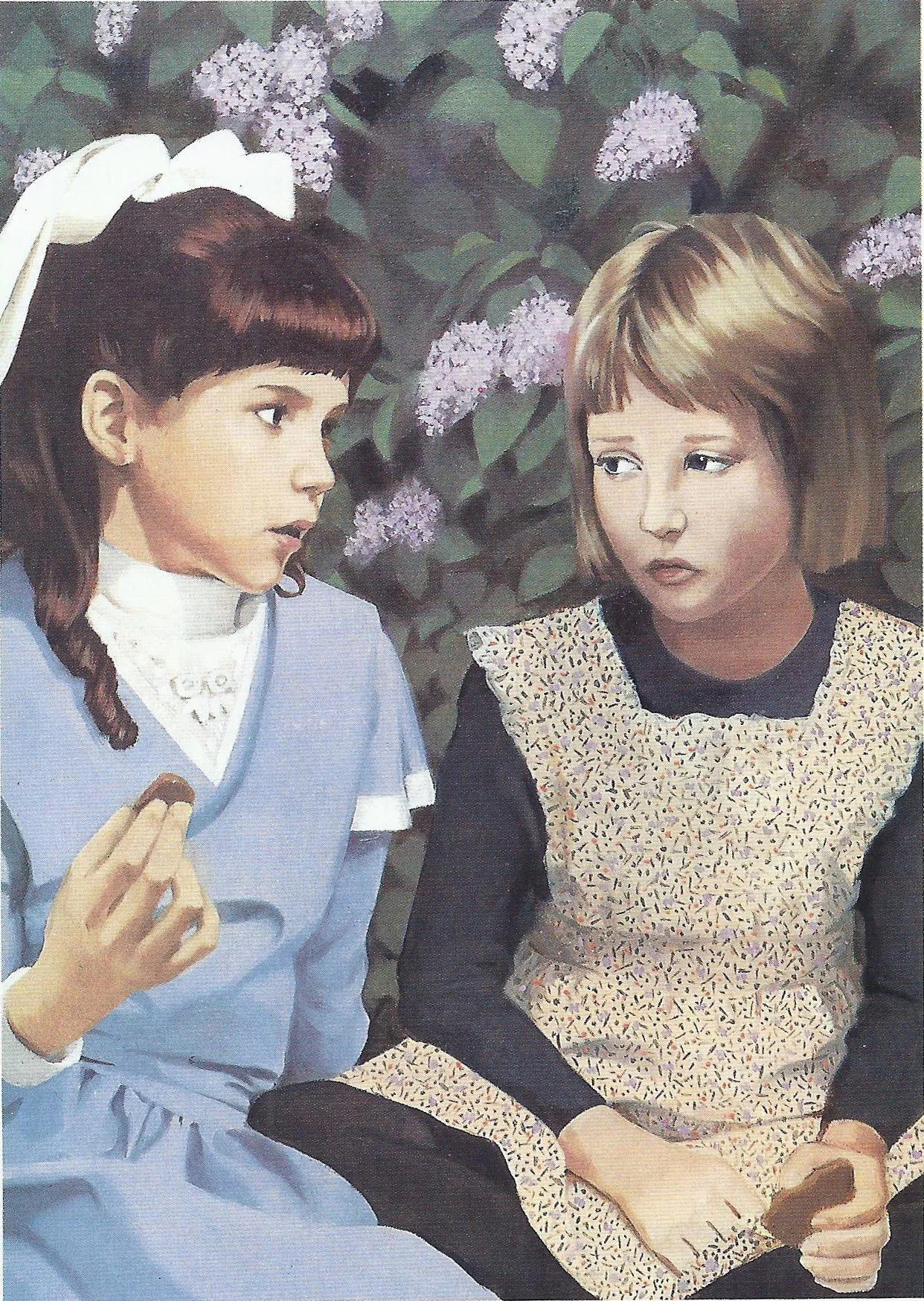 Nancy Niles, 1986
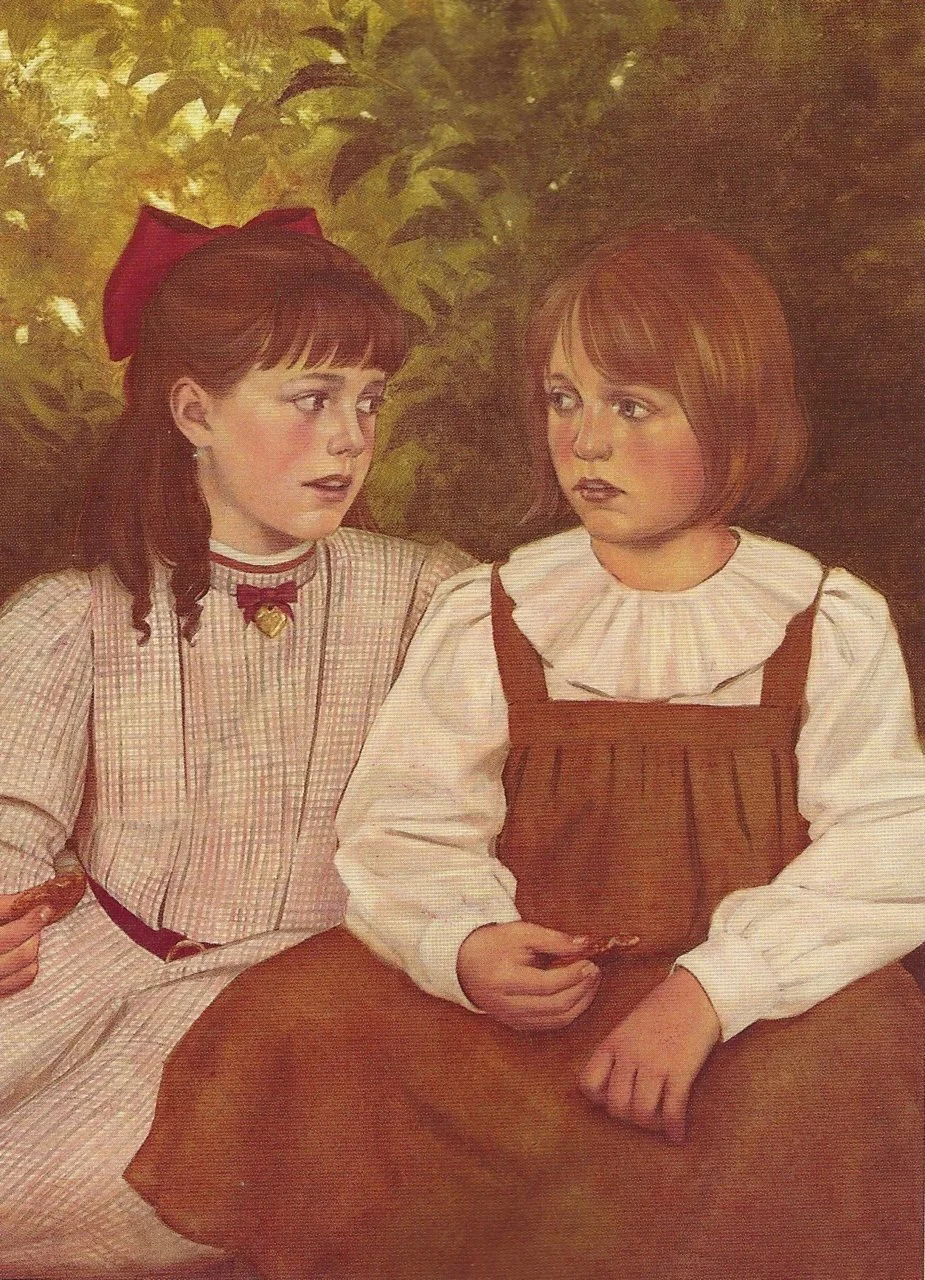 Dan Andreasen, 1998
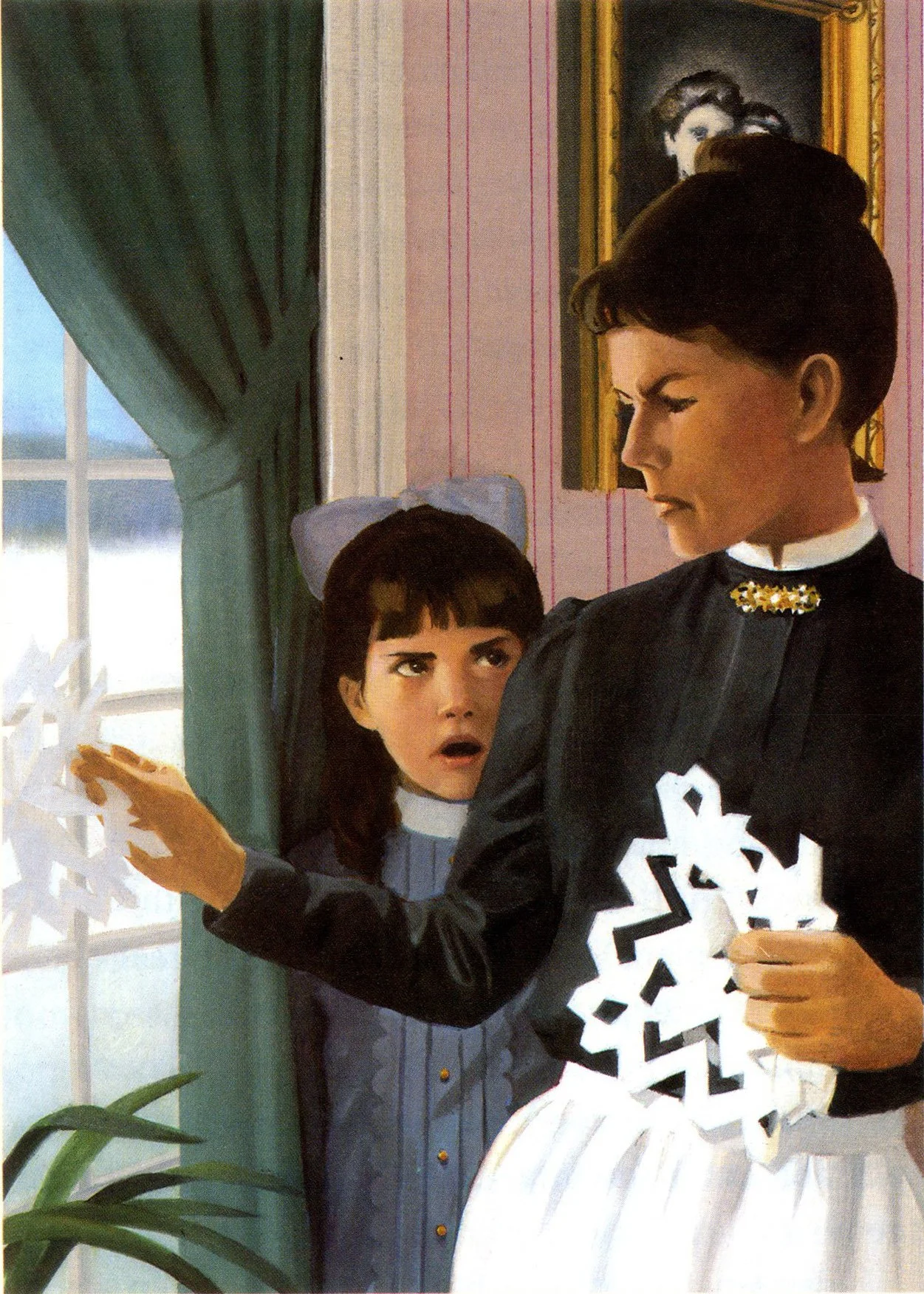
Some character designs were tweaked, too. The mischievous twins Agnes and Agatha get different haircuts. Samantha’s mean classmate Edith gets a new face. Elsa the Grumpy Maid is completely redesigned (I’m not sure why).
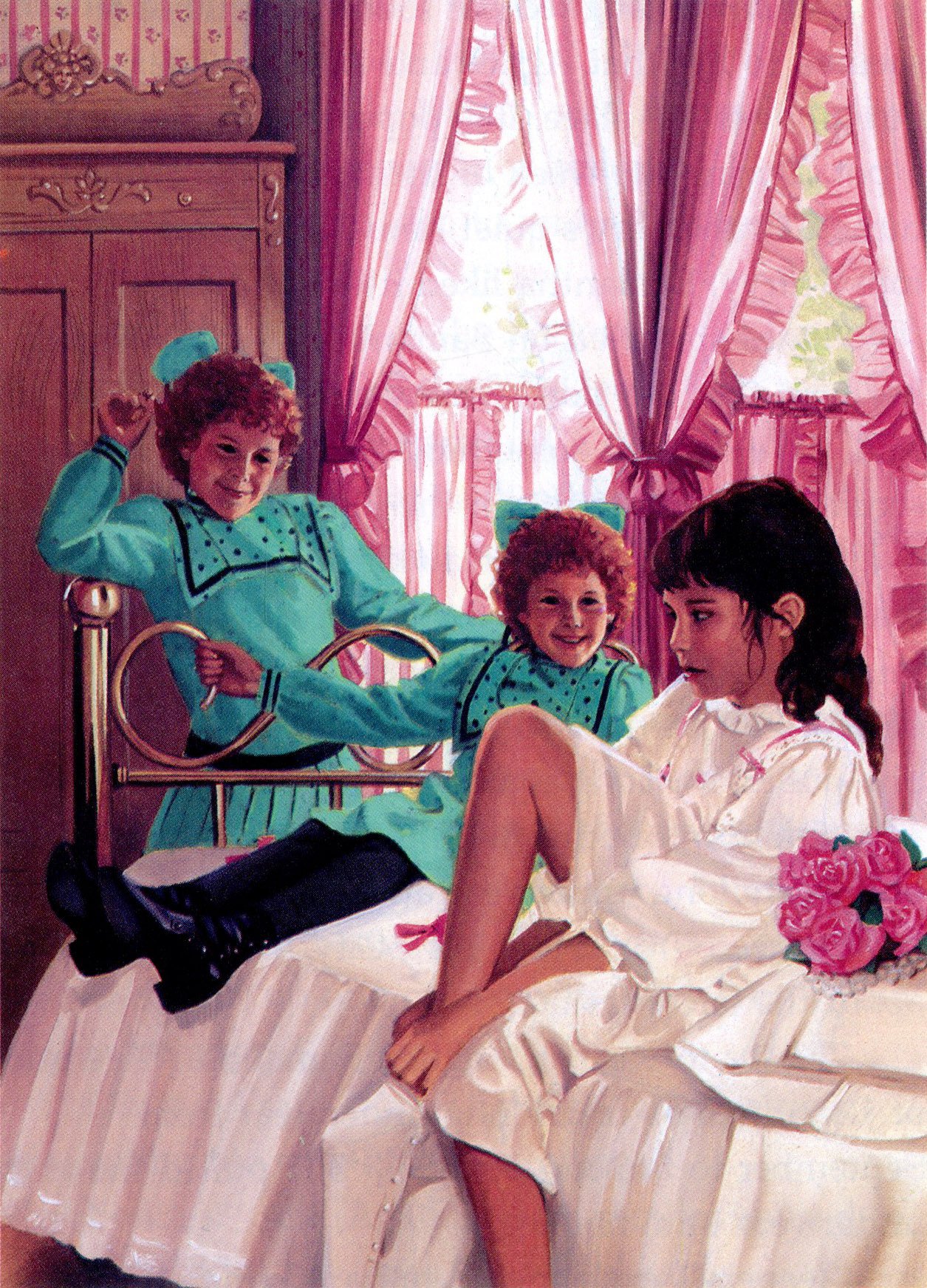 Nancy Niles, 1987
 Dan Andreasen, 1998
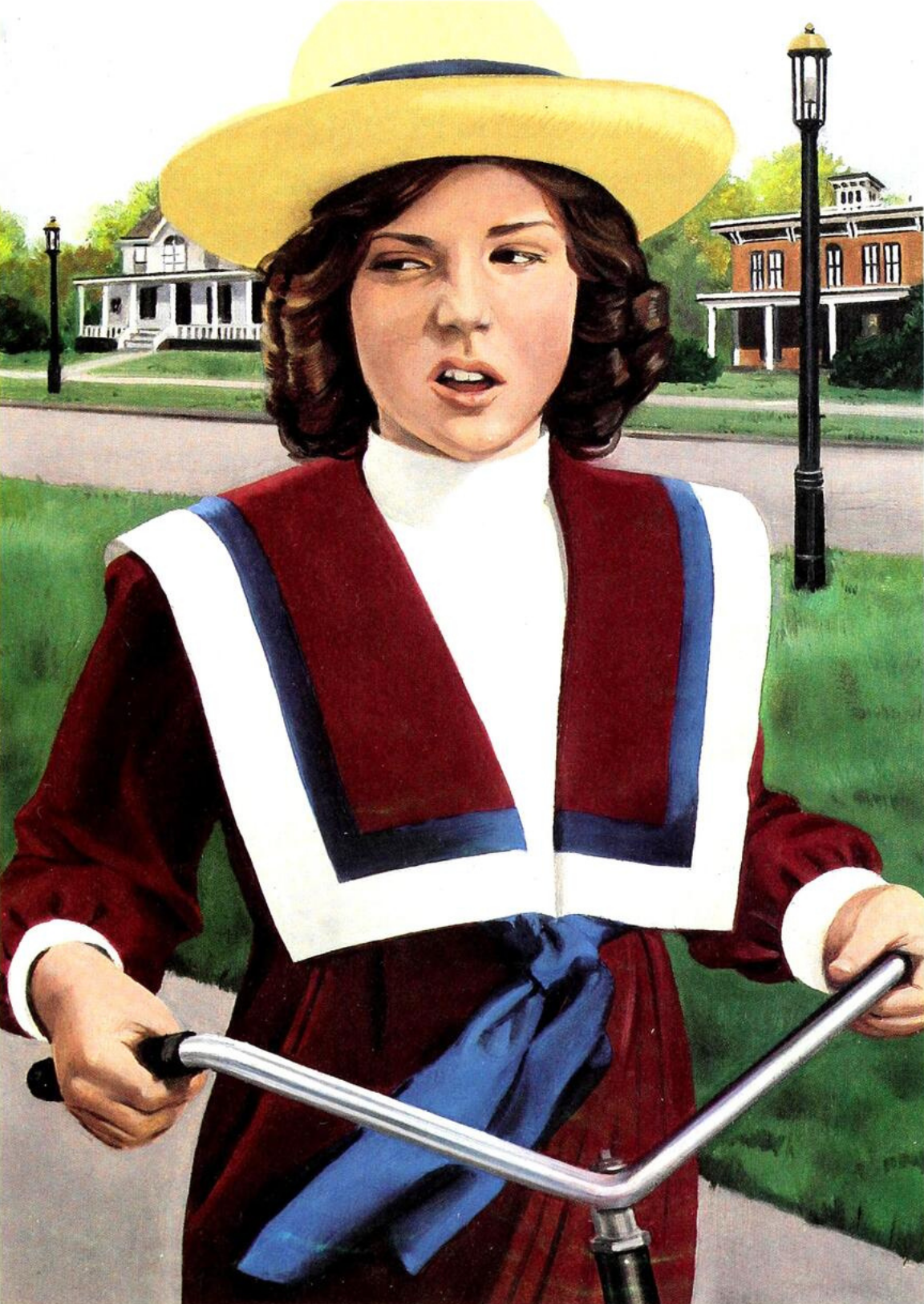 Nancy Niles, 1986
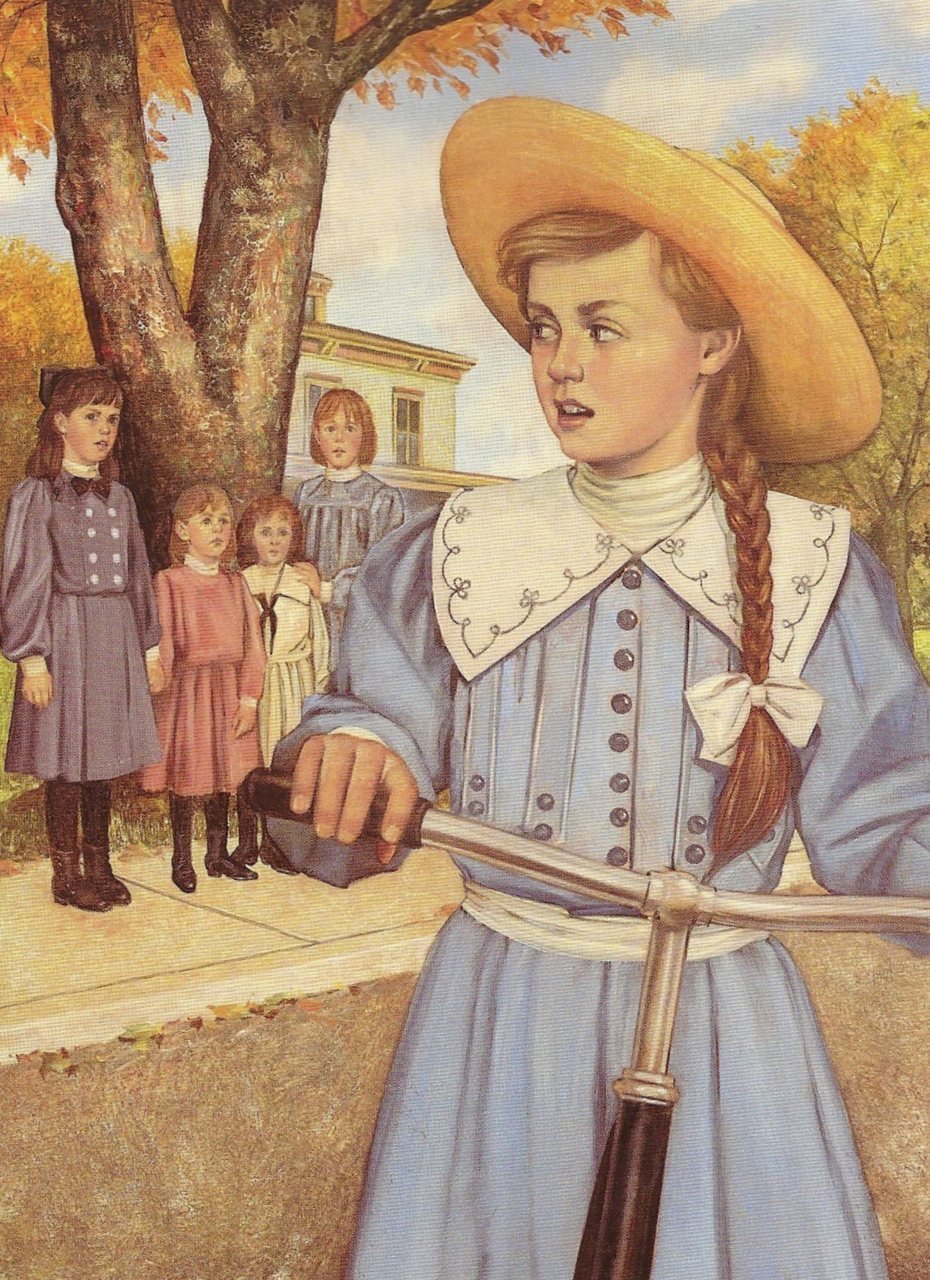 Dan Andreasen, 1998
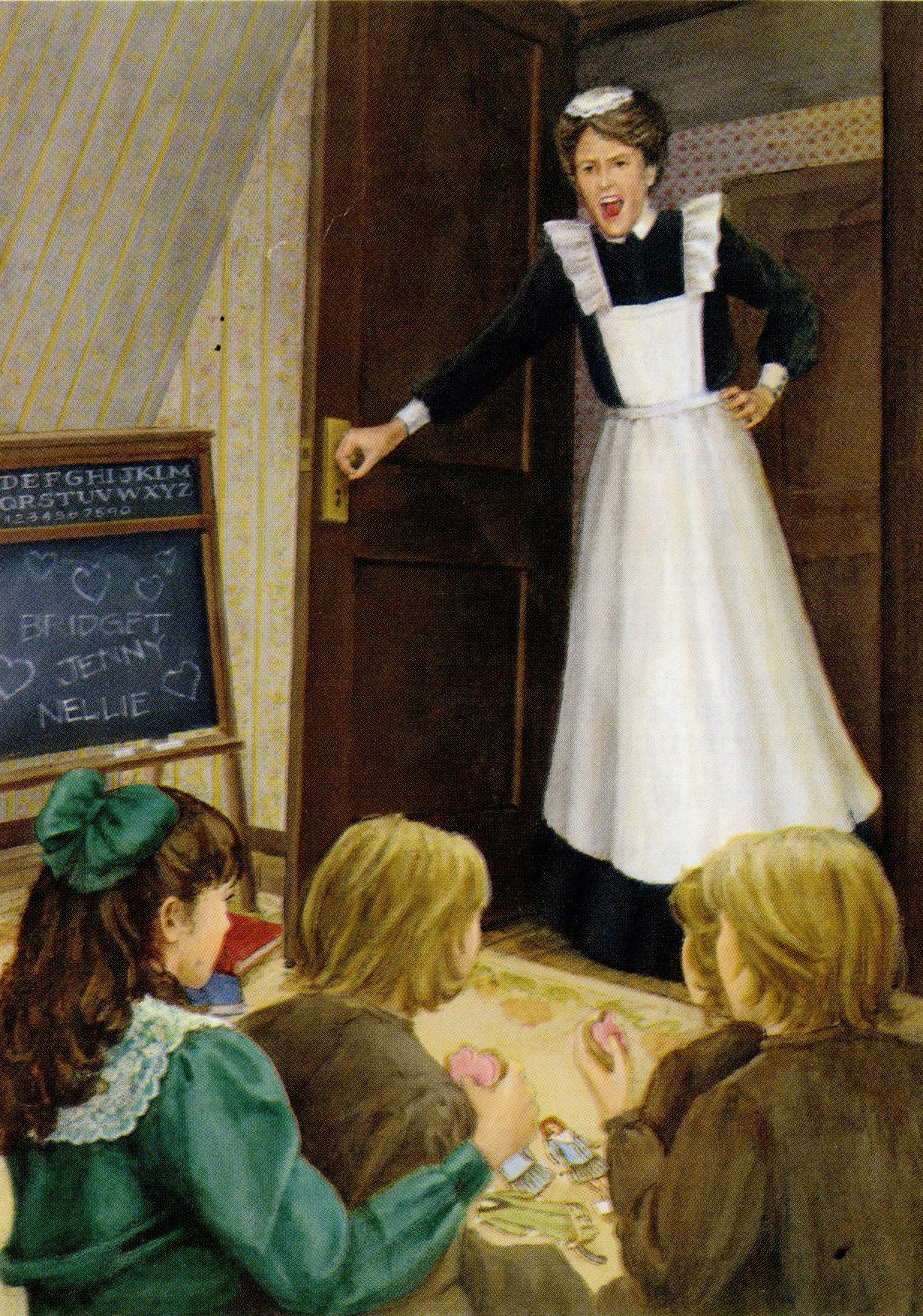 Luann Roberts, 1988
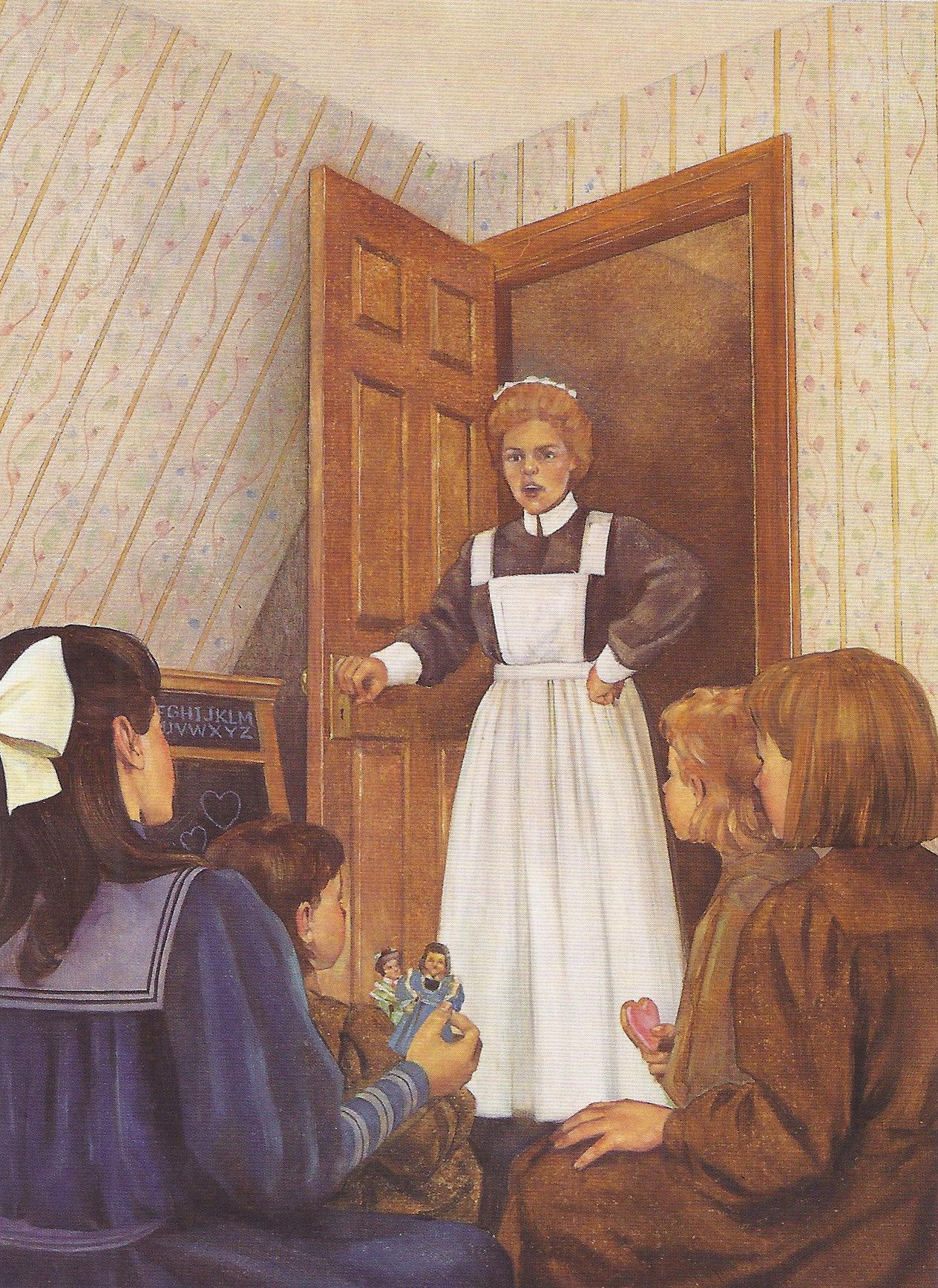 Dan Andreasen, 1998
Unfortunately, the Samantha books were also hit with the same mandate to lighten the skin tones of Black characters. There are three Black characters in Meet Samantha: Jessie the seamstress, her husband Lincoln, and their baby Nathaniel. All three are noticeably paler in Andreasen's illustrations than in Niles's.
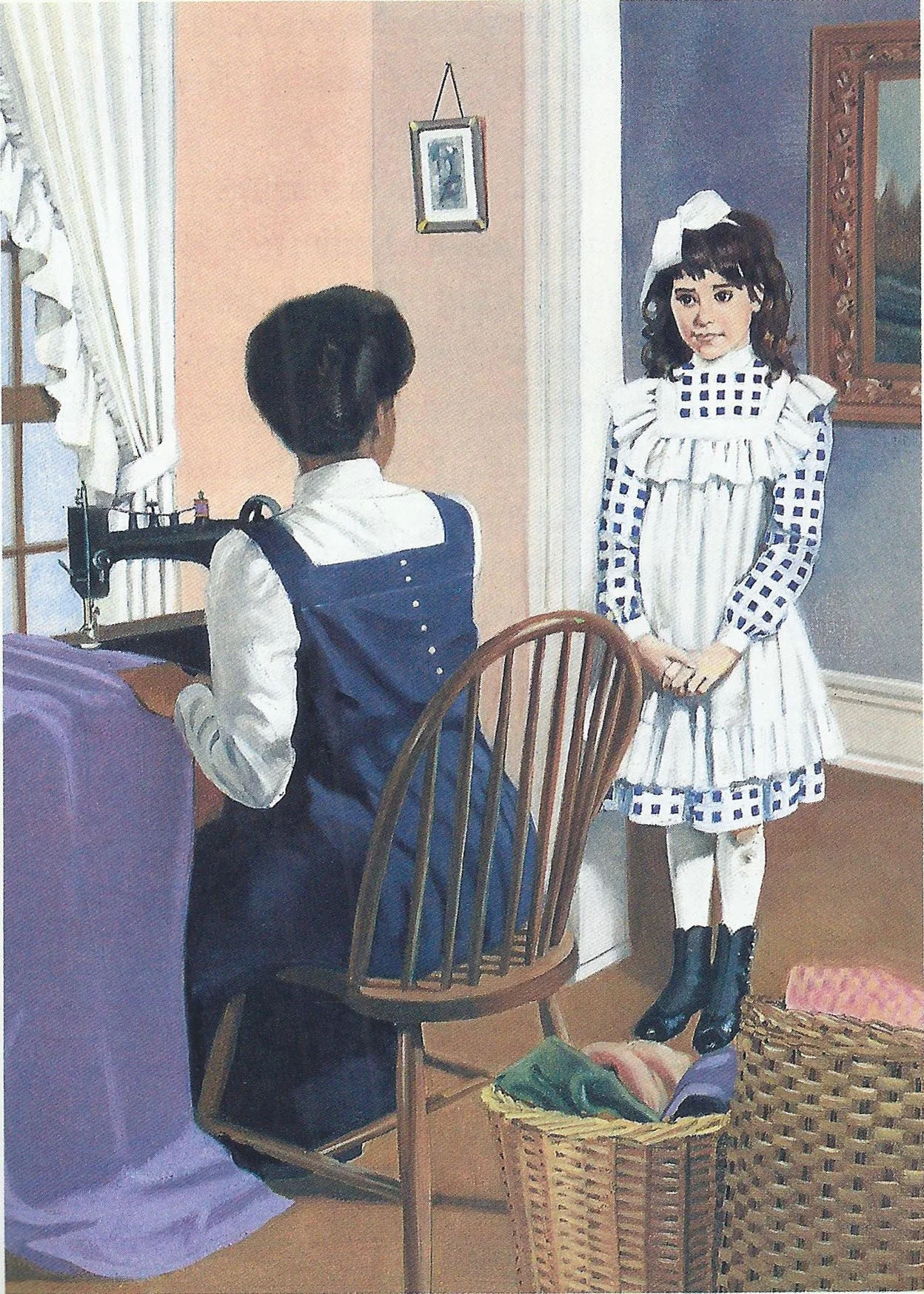 Nancy Niles, 1986
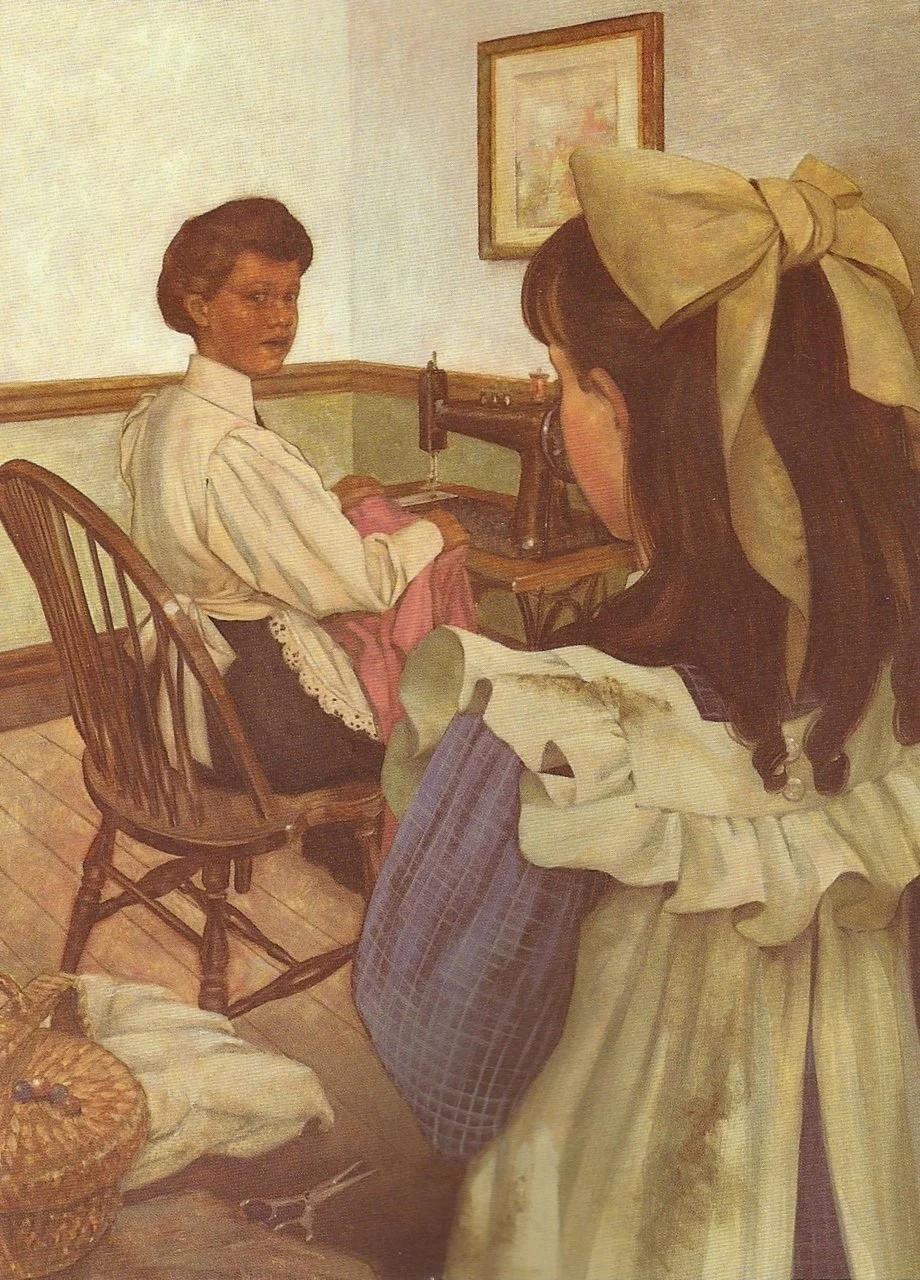 Dan Andreasen, 1998
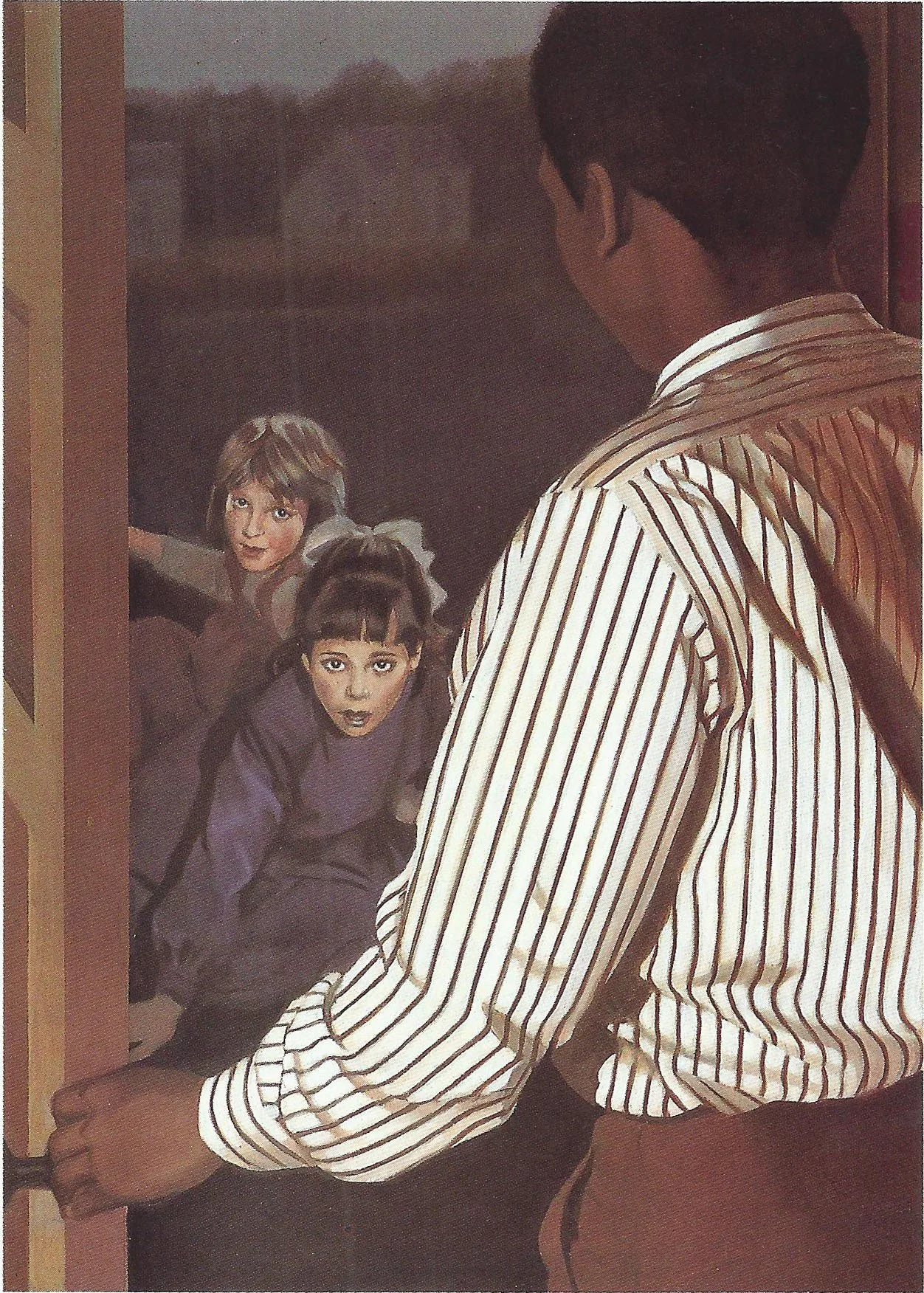 Nancy Niles, 1986
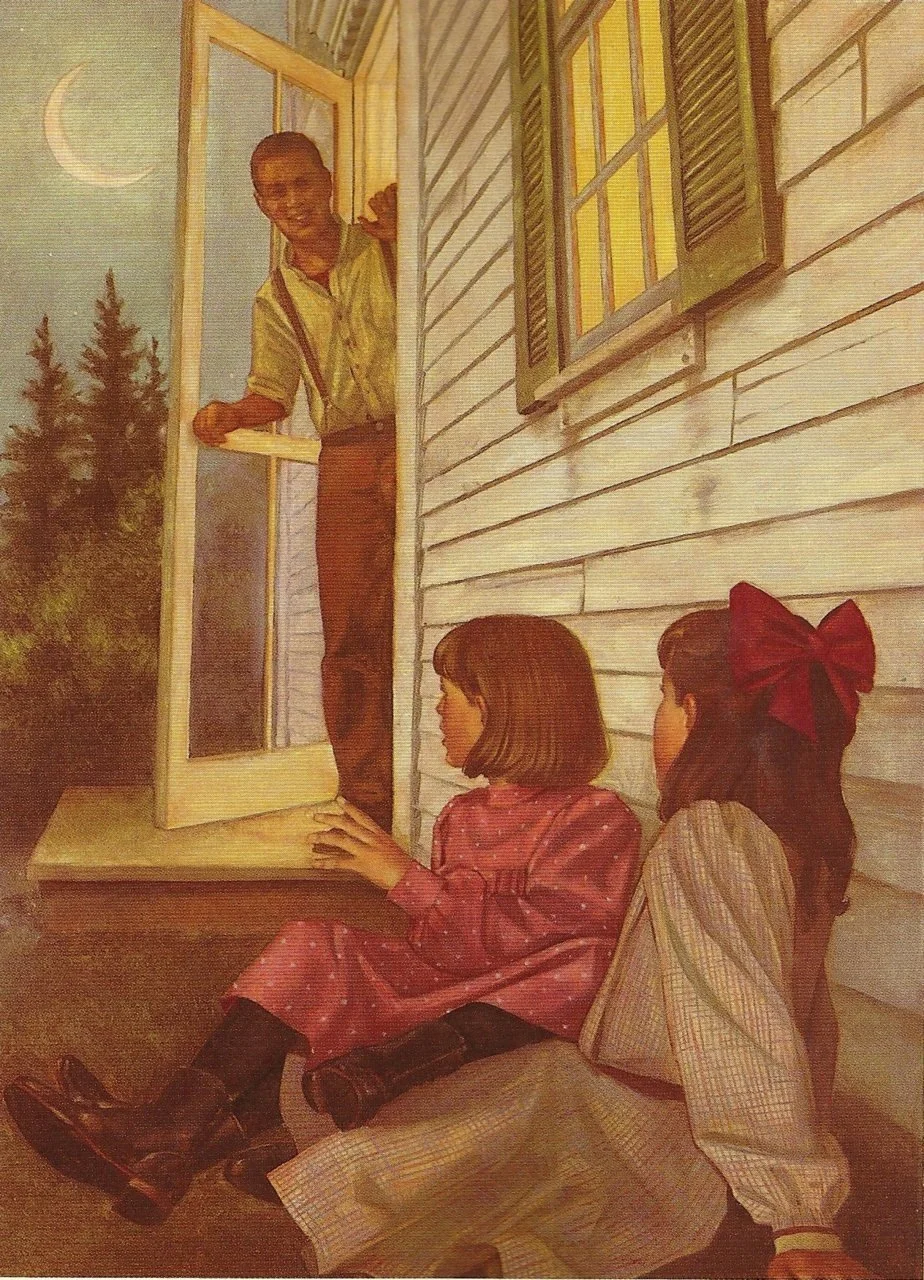 Dan Andreasen, 1998
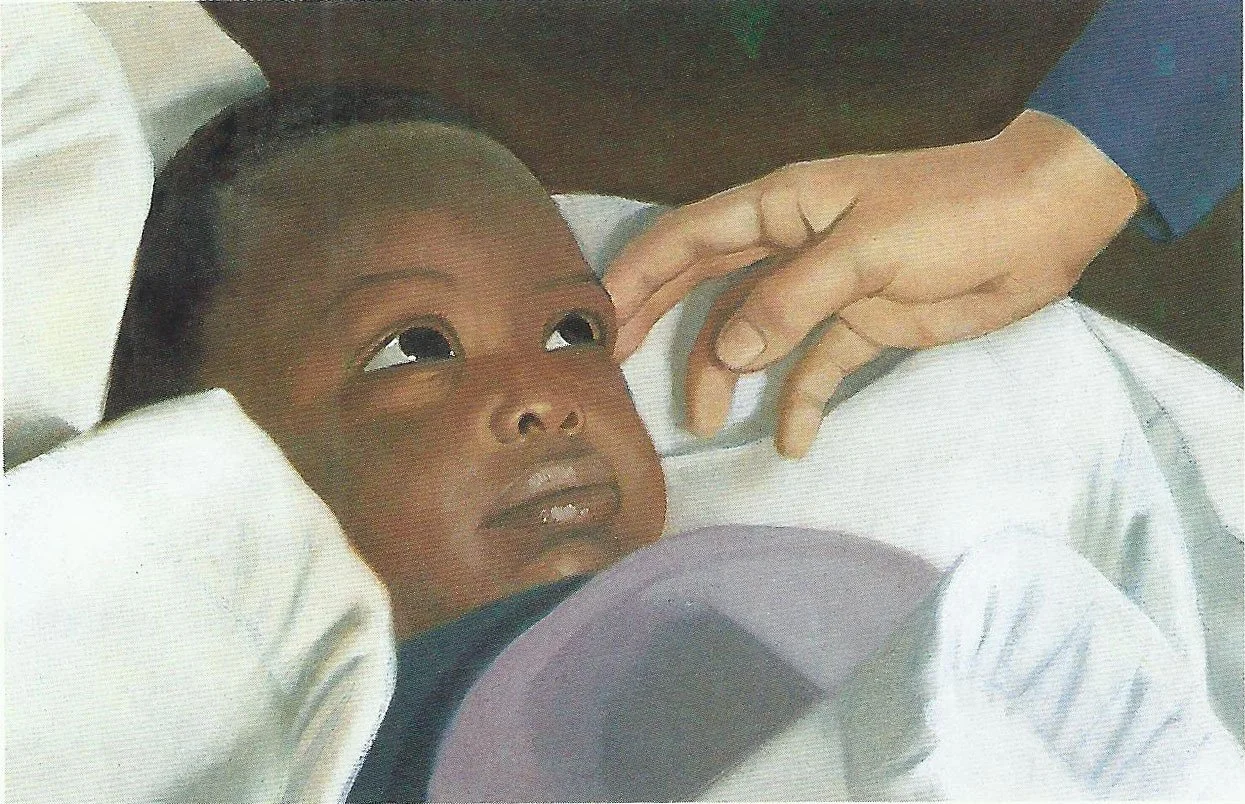 Nancy Niles, 1986
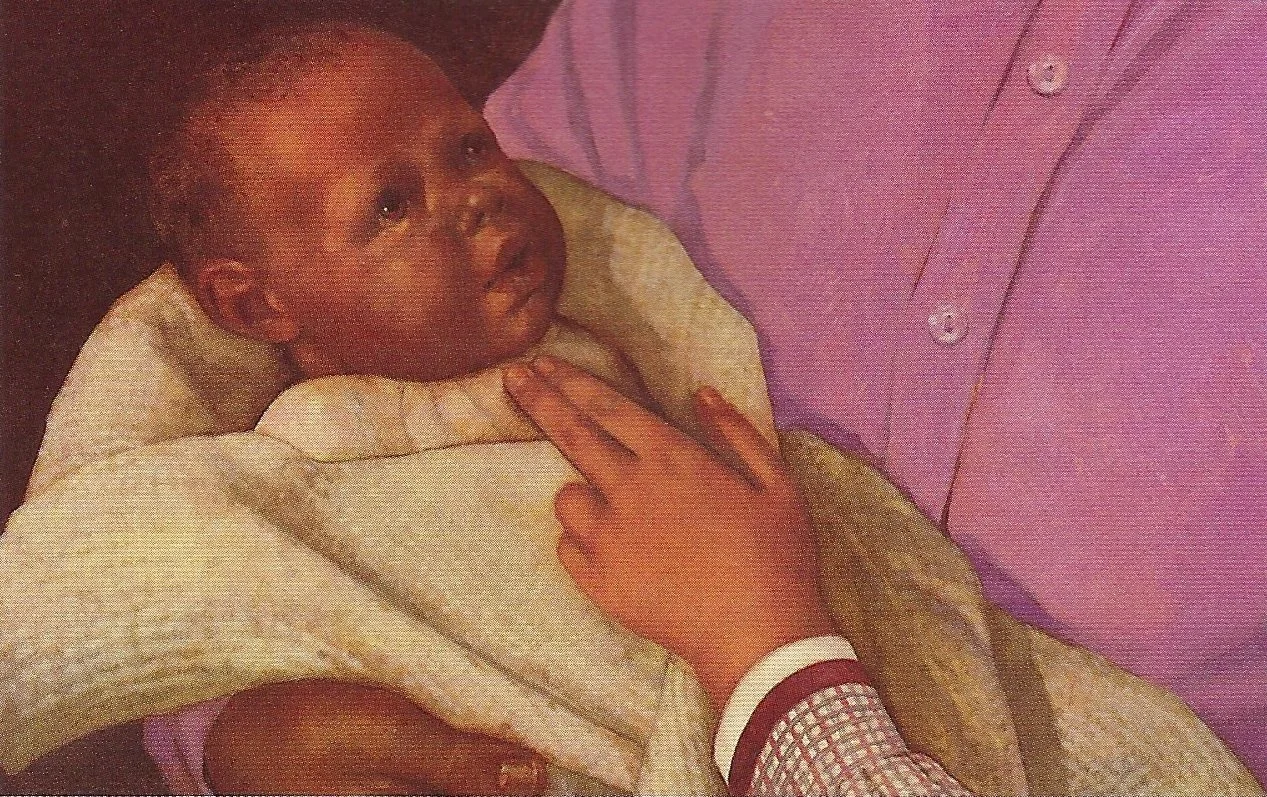 Dan Andreasen, 1998
It can also be argued that the stories underwent a similar “softening,” presenting a kinder and brighter world for the girls to inhabit. There are still images of the girls in struggle or peril, but they sometimes seem less intense and more glamorous.
Nancy Niles, 1988Dan Andreasen, 1998I notice this most strongly in book 6, when Samantha is exposed to the poverty and danger in Nellie’s world.
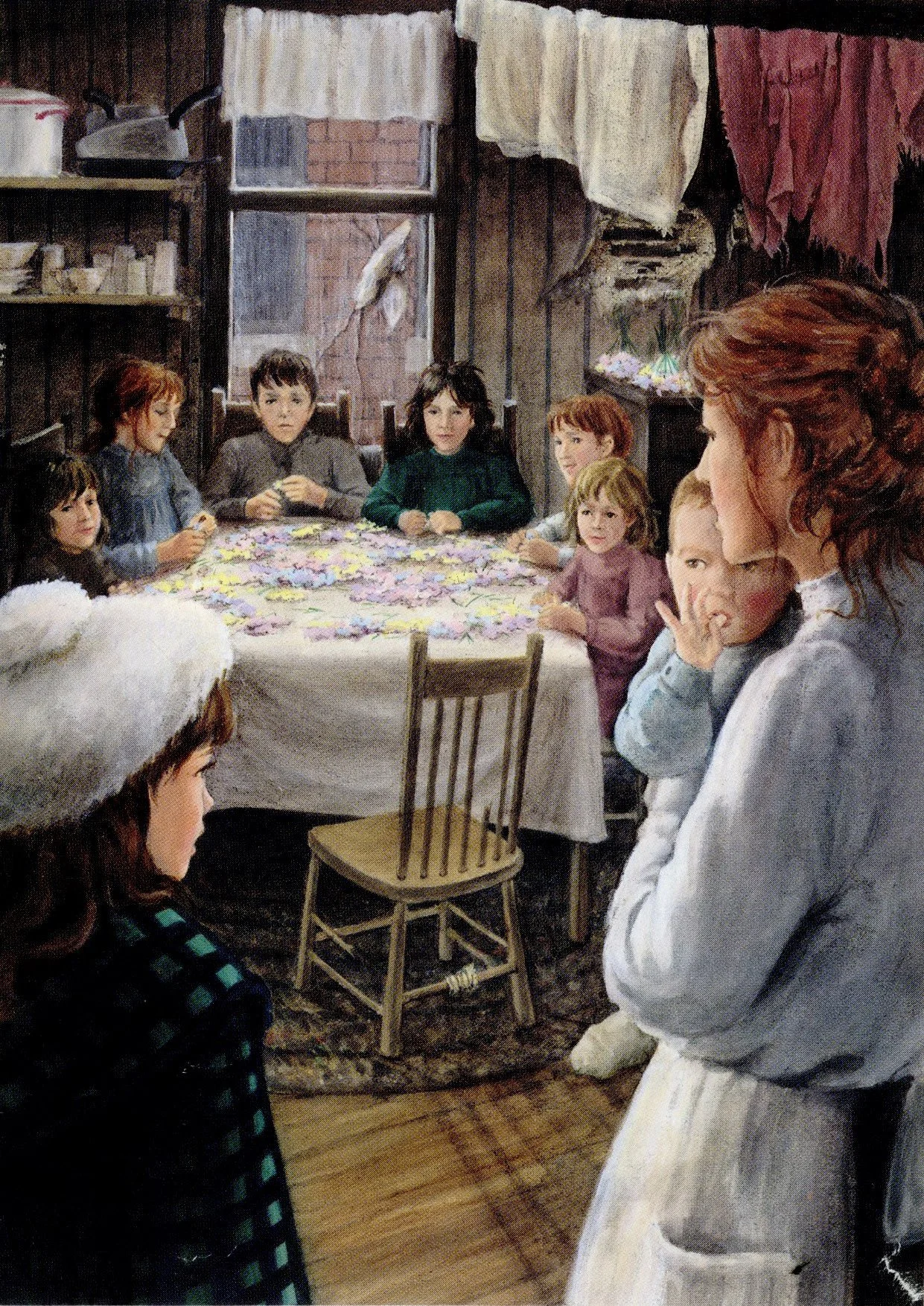 Luann Roberts, 1988
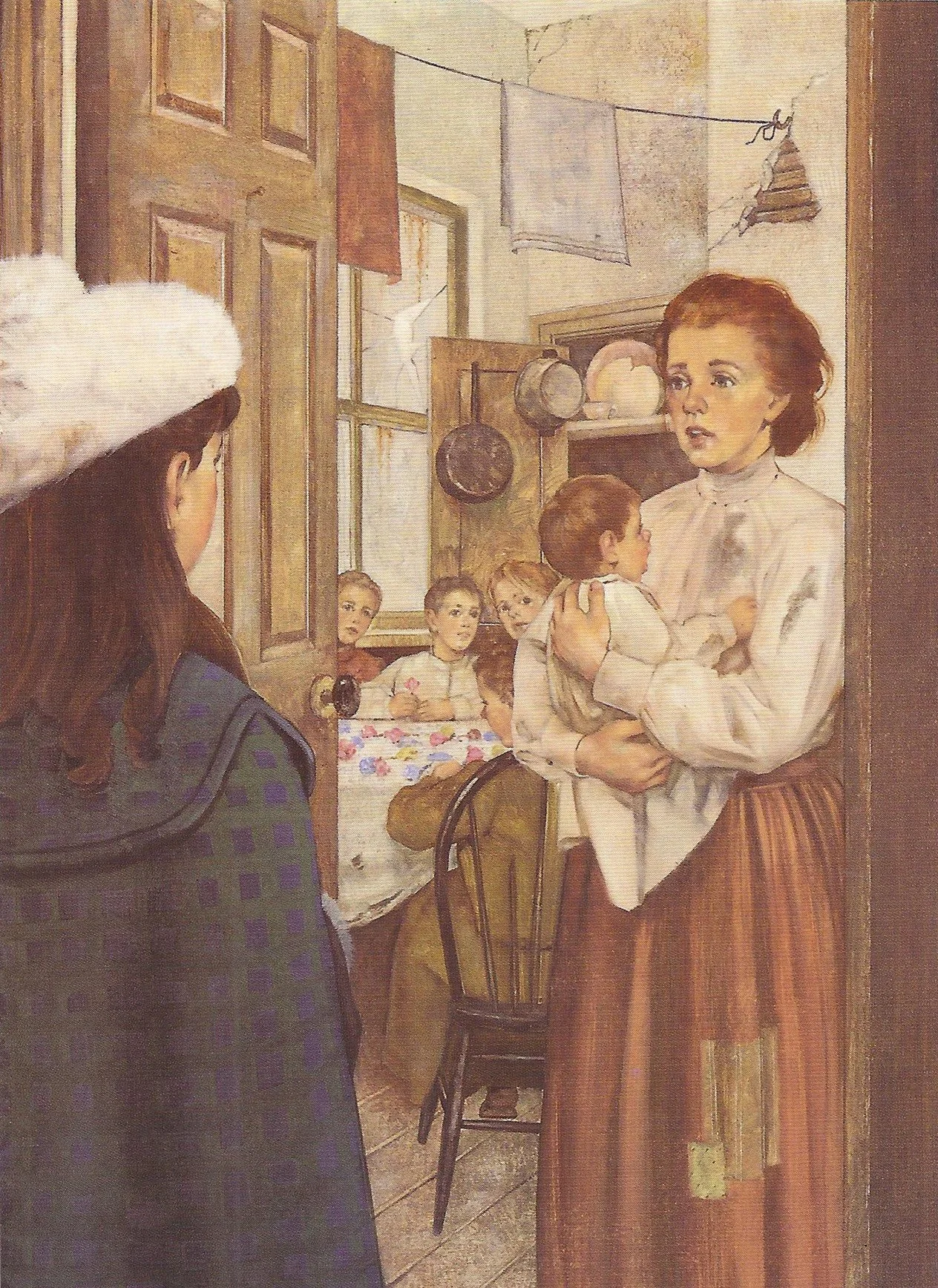 Dan Andreasen, 1998
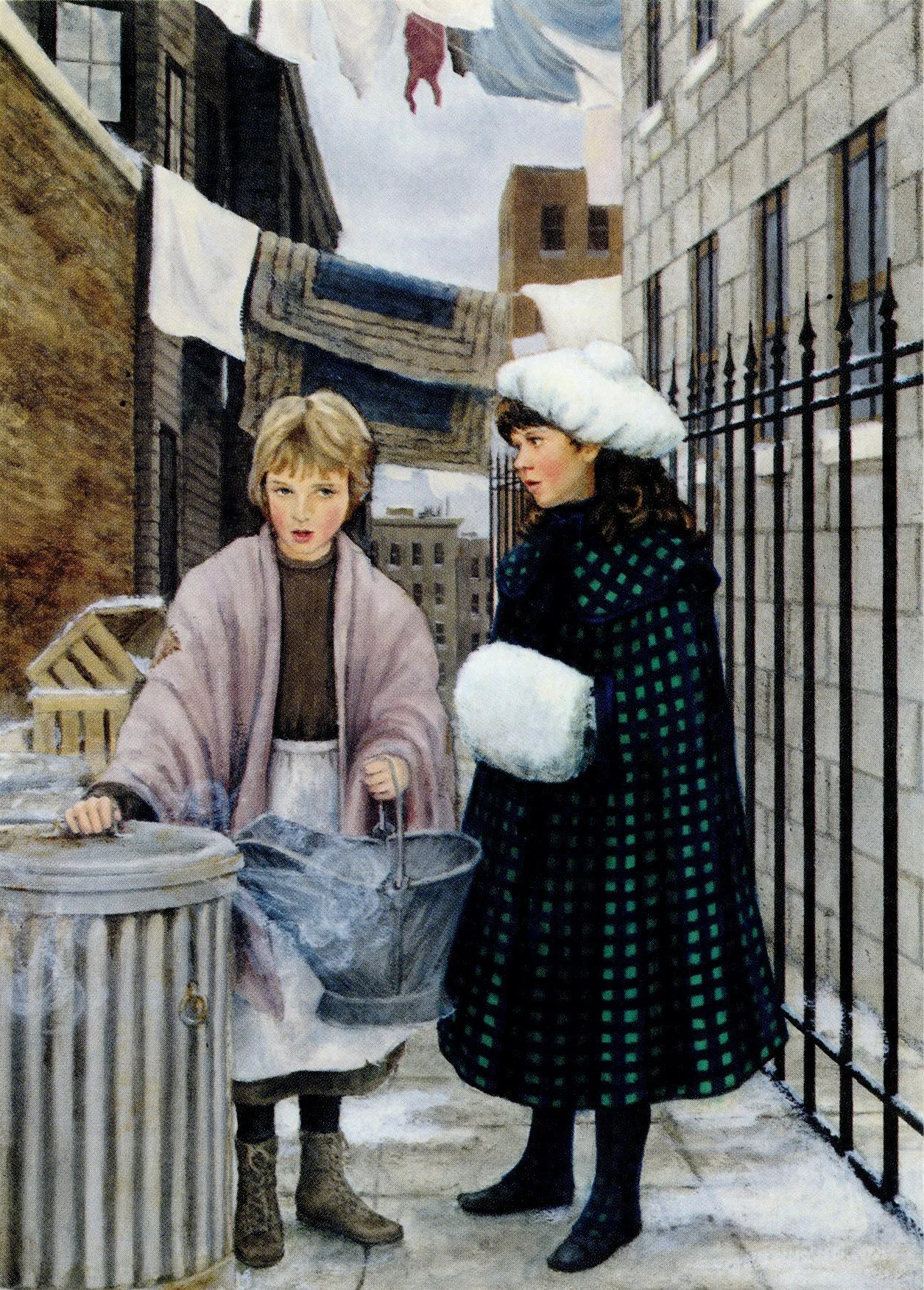 Luann Roberts, 1988
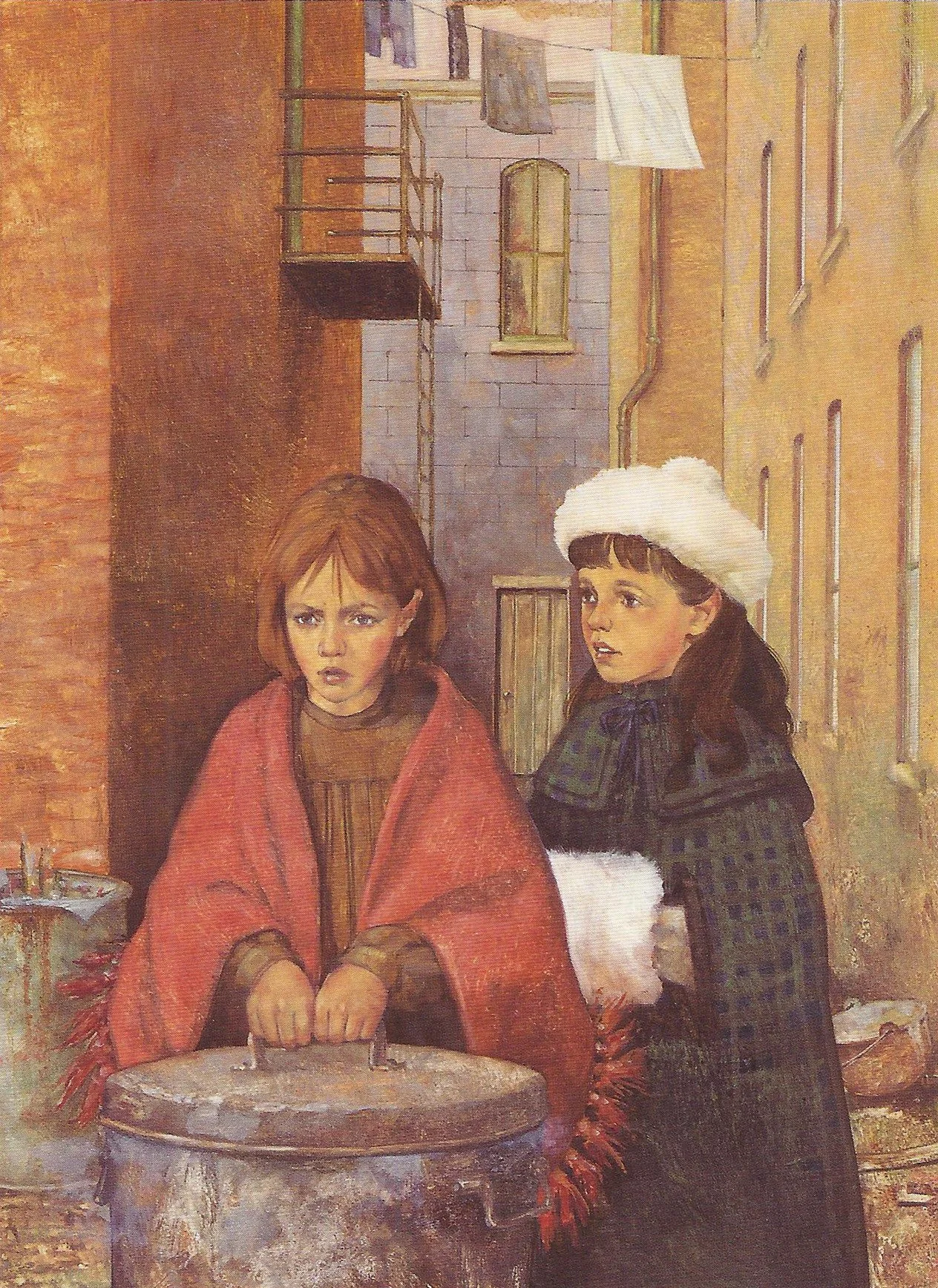 Dan Andreasen, 1998
Several short stories also received the same treatment.
If I had to choose one set of illustrations, I think I’d lean towards the originals, but I do quite like Andreasen’s versions as well.